

Descripción
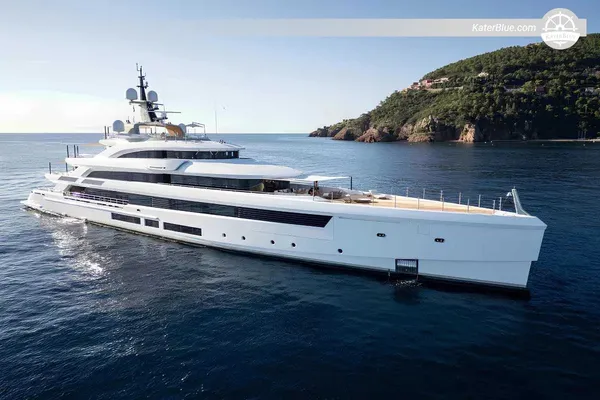
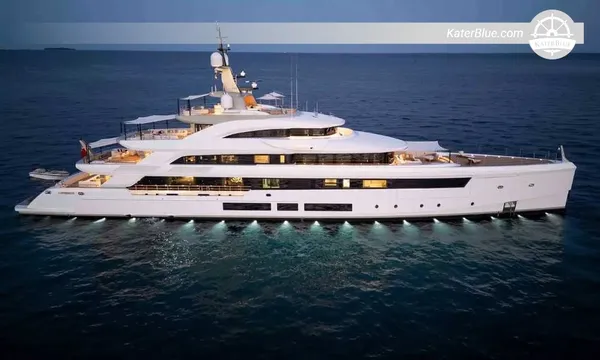
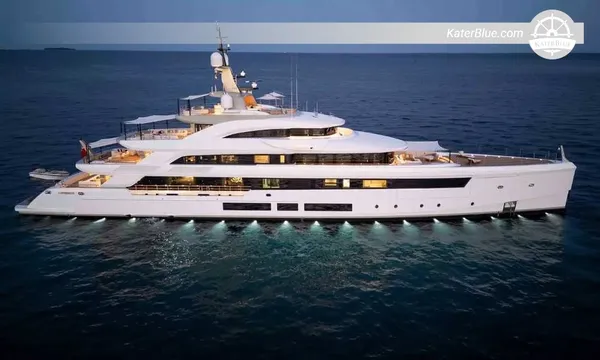
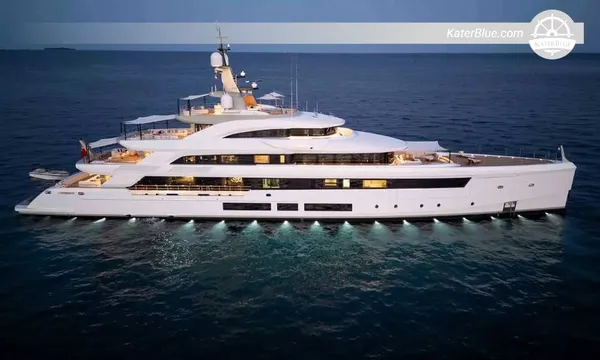
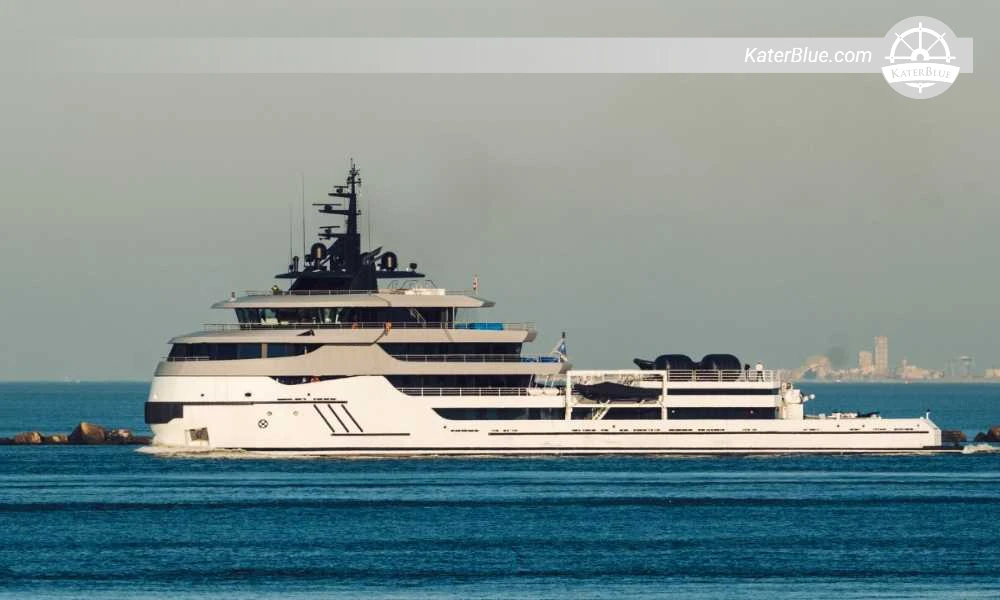
Icon 73m offers a 24-day private crewed Baltic to North Atlantic charter from Tallinn, Estonia. Explore Estonia, Sweden, Norway and Iceland, combining Baltic islands, Norwegian coastlines and an Atlantic crossing with comfortable private living spaces aboard.
About Our Service in Tallinn - Baltic to North Atlantic
An 18-member professional crew provides attentive hospitality, onboard support and discreet service. Guest preferences and requirements can be coordinated before embarkation.
Daily routing depends on weather, seas, access and operational requirements.
Day 1 - Tallinn to Naissaar, Estonia
Depart Tallinn and sail to Naissaar for the first overnight stop. Keep the opening passage short and manageable, allowing time for departure preparations, navigation checks and crew familiarization. Spend the evening in sheltered waters around Naissaar before beginning the longer northwestward journey through the Baltic.
Day 2 - Naissaar to Osmussaar, Estonia
Continue westward along Estonia's northern coastline to Osmussaar. The passage remains within Estonian waters and offers a coastal progression before leaving the Baltic region. Allow sufficient time for navigation around offshore rocks and shallows, then settle into a suitable anchorage or harbor near the island.
Day 3 - Osmussaar to Hiiumaa, Estonia
Sail southwest from Osmussaar to Hiiumaa, using Estonia's island waters to reduce unnecessary exposure. The passage is moderate and provides flexibility for changing conditions. After reaching Hiiumaa, remain overnight in sheltered waters and prepare for the next stage to Sweden and the wider Baltic crossing.
Day 4 - Hiiumaa to Saaremaa, Estonia
Continue south and west through Estonia's island region to Saaremaa. Use established channels and sheltered coastal waters where practical, avoiding unnecessary offshore deviations. Spend the night around Saaremaa, providing a useful staging point before the longer international passage to Sweden and the Scandinavian coastline.
Day 5 - Saaremaa to Gotland, Sweden
Depart Saaremaa and cross the Baltic Sea westward to Gotland. This is a longer offshore passage and should only be undertaken during a suitable weather window. Maintain sufficient fuel, provisions and navigation planning for the crossing. After arrival, use protected waters around Gotland for the overnight stop.
Day 6 - Gotland to Fårö, Sweden
Cruise north from Gotland to Fårö, keeping the day's distance moderate after the previous offshore crossing. Navigate along the island's coastline and select a suitable sheltered location for the night. This slower day provides recovery time while continuing the overall westward progression through Swedish waters.
Day 7 - Fårö to Stockholm Archipelago, Sweden
Leave Fårö and begin the longer passage to the Stockholm Archipelago. Depending on conditions, use suitable intermediate shelter rather than forcing an uninterrupted passage. After reaching the archipelago, enter its protected island waters and remain overnight, preparing for the following southward and westward Scandinavian route.
Day 8 - Stockholm Archipelago Cruising, Sweden
Spend a full day navigating through the Stockholm Archipelago, with stops around islands such as Möja where practical. The numerous islands provide sheltered sailing and flexibility in route planning. Use this day as both an exploration period and a weather buffer before continuing to Sweden's western coastline and Norway.
Day 9 - Stockholm Archipelago to Landsort, Sweden
Sail southward through the outer Stockholm Archipelago to Landsort. Keep the route close to sheltered Swedish waters where possible and avoid unnecessary open-water exposure. Landsort offers a staging point before the yacht begins the longer transition to the western Swedish coastline and the Norwegian border.
Day 10 - Landsort to Koster Islands, Sweden
Begin the longer westward Swedish coastal transition from Landsort to the Koster Islands. This is a demanding repositioning day and should be adjusted around weather conditions. Use intermediate shelter if necessary, then enter the Koster Sea and remain overnight among the islands after reaching Sweden's western coast.
Day 11 - Koster Islands to Hvaler Islands, Norway
Cross northward from the Koster Islands into Norway and continue to the Hvaler Islands. The international passage is relatively manageable and benefits from sheltered coastal waters. Spend the evening among Hvaler's islands, enabling the crew to rest before continuing westward along Norway's Skagerrak coastline.
Day 12 - Hvaler to Færder National Park, Norway
Continue west from Hvaler to Færder National Park. Norway's island-rich coastline provides numerous sheltered passages and alternative anchorages, making the route practical for changing conditions. Keep the distance moderate and spend the night within the Færder area before proceeding to the more open western coastline.
Day 13 - Færder to Lyngør and Risør, Norway
Cruise west along the Norwegian coast to Lyngør and Risør. The route can be divided into shorter coastal stages according to wind and sea conditions. Use protected island passages wherever practical and finish the day around Risør, providing a secure stop before the longer Atlantic-facing route.
Day 14 - Risør to Jomfruland and Kragerø, Norway
Continue westward to Jomfruland and Kragerø, following Norway's sheltered southern coastline. Navigate carefully through the islands and rocky passages and avoid unnecessary offshore exposure. Kragerø offers a practical overnight location and maintains steady progress to western Norway without creating an excessively demanding daily passage.
Day 15 - Kragerø to Western Norway, Norway
Begin the longer transition to western Norway, using coastal waters and intermediate stops as required. This day is intentionally flexible because the distance between southern and western cruising regions is substantial. Maintain a safe pace and finish at a suitable harbor or anchorage rather than forcing excessive mileage.
Day 16 - Western Norway to Hardangerfjord, Norway
Continue northward and enter the Hardangerfjord region. The approach should be timed carefully around weather and sea conditions, with sheltered coastal waters used wherever possible. After entering the fjord system, reduce the cruising pace and spend the night in protected waters before beginning the Atlantic-facing stages.
Day 17 - Hardangerfjord to Sunnmøre, Norway
Leave Hardangerfjord and continue north to the Sunnmøre coast. This is another substantial coastal passage requiring careful weather planning. Use sheltered sections of the Norwegian coastline and stop earlier if conditions deteriorate. Arrive around Sunnmøre and secure an overnight anchorage before continuing to the North Atlantic.
Day 18 - Sunnmøre to Northern Norway, Norway
Begin the longer northward repositioning to the northern Norwegian coast. Because the distance is considerable, the yacht should use intermediate ports or anchorages rather than attempting an unrealistic nonstop coastal run. Keep this day flexible and prioritize weather, daylight, crew endurance and safe navigation.
Day 19 - Northern Norway to Lofoten, Norway
Continue to the Lofoten region after the northern repositioning. Enter the island waters carefully and use the archipelago's sheltered passages where possible. Spend the night around Lofoten, enabling the crew to recover before beginning the much more demanding North Atlantic crossing to Iceland.
Day 20 - Lofoten to Atlantic Passage Staging Point, Norway
Use this day for final preparation before leaving Norway. Check weather, fuel, provisions, navigation equipment and crew readiness for the North Atlantic passage. If conditions are unsuitable, remain in Norwegian waters. Once a suitable weather window is established, position the yacht for the westbound Iceland crossing.
Day 21 - North Atlantic Crossing toward Iceland
Begin the major offshore passage from northern Norway to Iceland. This is the most demanding section of the itinerary and requires a reliable weather window, appropriate vessel capability and experienced crew. Remain offshore throughout the passage, maintaining conservative watchkeeping and adjusting course as conditions allow.
Day 22 - North Atlantic Crossing toward Iceland
Continue the offshore passage to Iceland. Because this crossing cannot realistically be compressed into a single day, maintain a steady and conservative cruising speed while monitoring weather and sea conditions. The route should remain flexible, with the exact Icelandic arrival point determined by conditions and vessel capabilities.
Day 23 - Iceland: Icelandic Coastal Arrival
Approach Iceland and enter suitable sheltered waters around the western coast, depending on the conditions encountered during the crossing. After securing the yacht, allow the crew to rest following the offshore passage. This day deliberately avoids adding another long coastal leg immediately after the demanding North Atlantic crossing.
Day 24 - Iceland: Breidafjordur and Snaefellsnes
Cruise within Breidafjordur to the Snaefellsnes region, completing the practical final stage of this multi-country voyage. The itinerary concludes in Iceland rather than attempting an unrealistic immediate return to Tallinn. This provides a sensible endpoint after sailing through Estonia, Sweden, Norway and across the North Atlantic.
About Our Yacht - Icon 73m
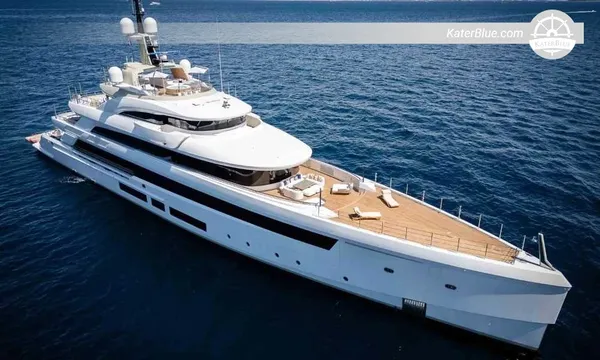
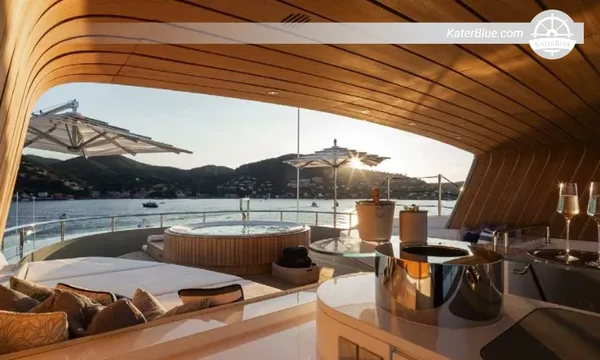
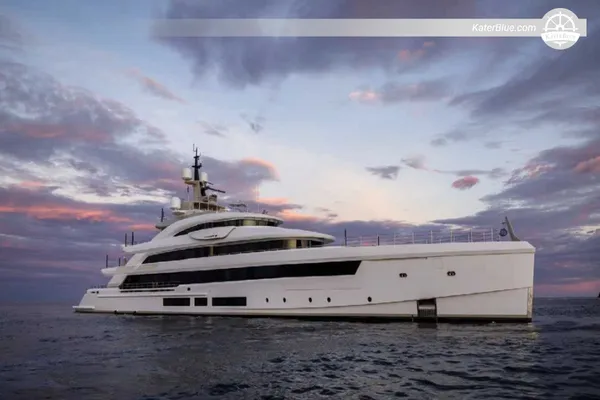
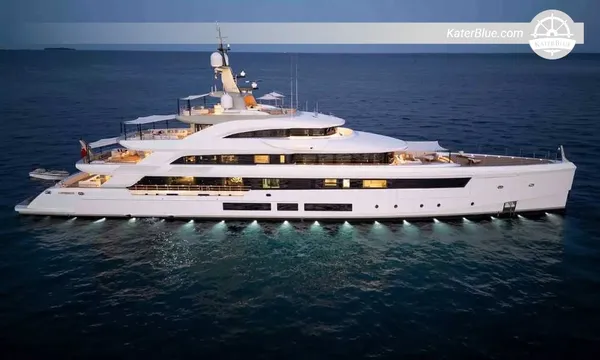
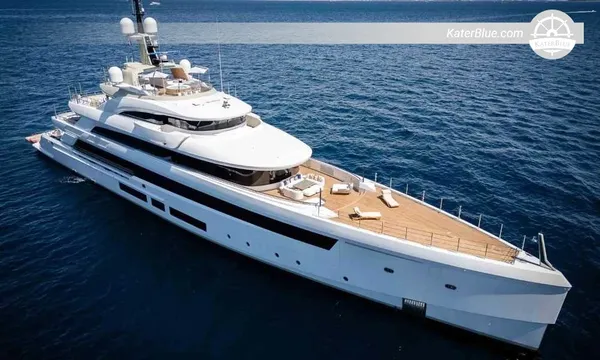
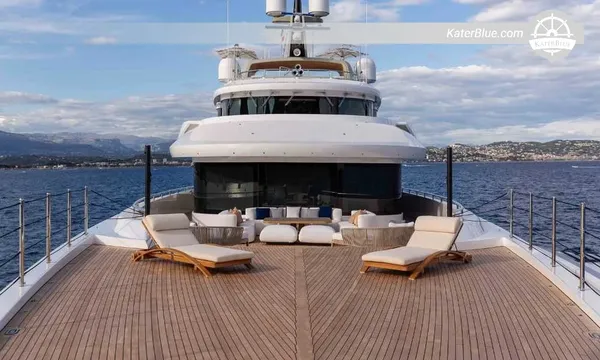
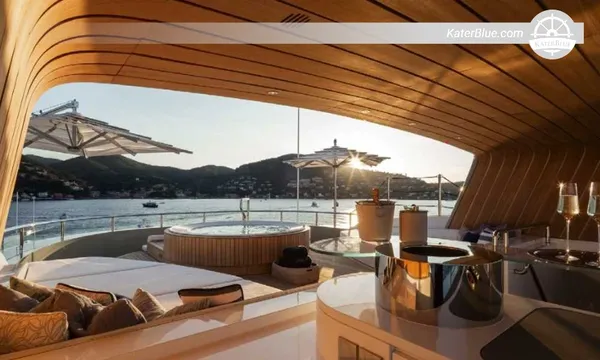
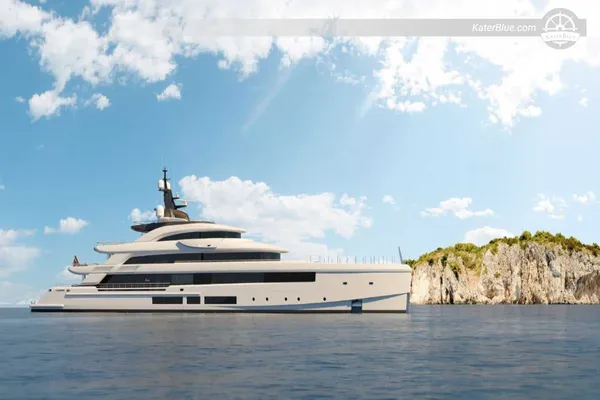
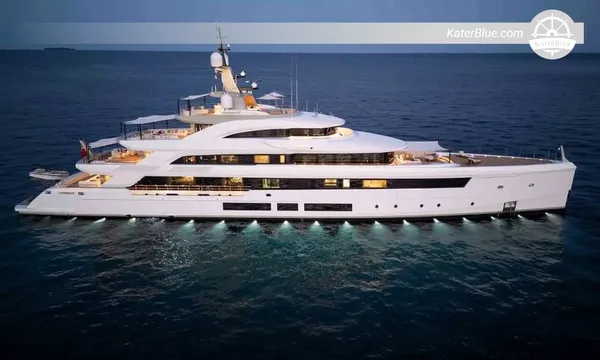
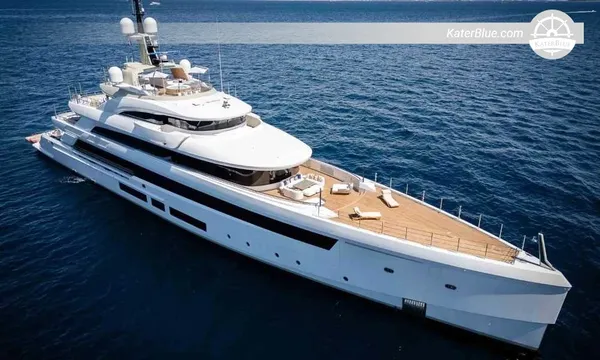
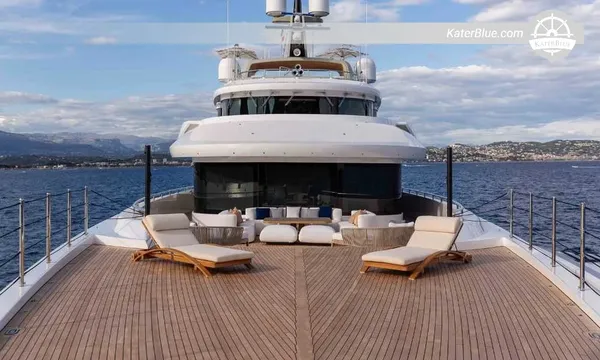
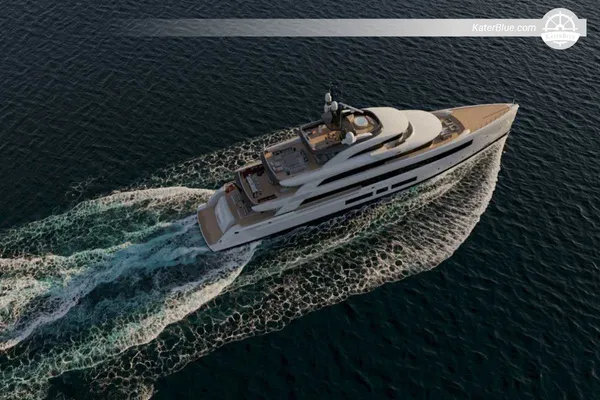
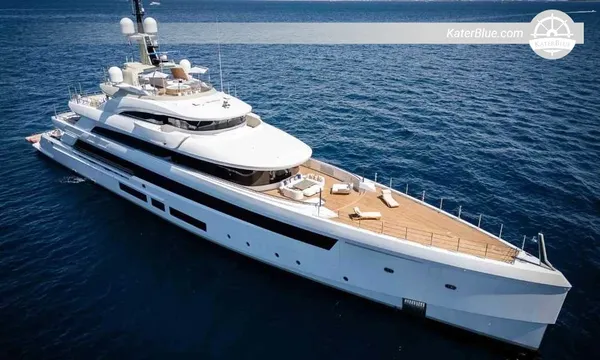
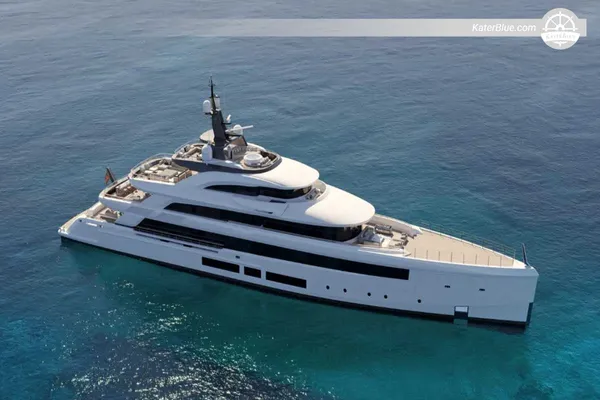
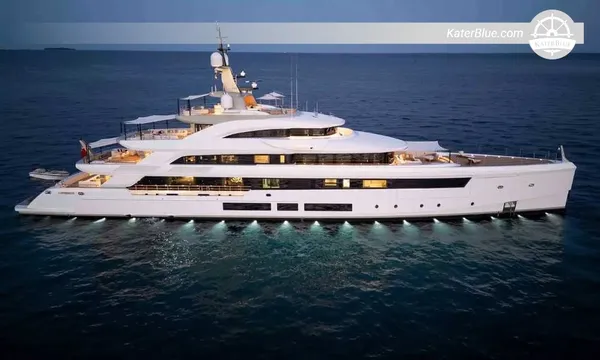
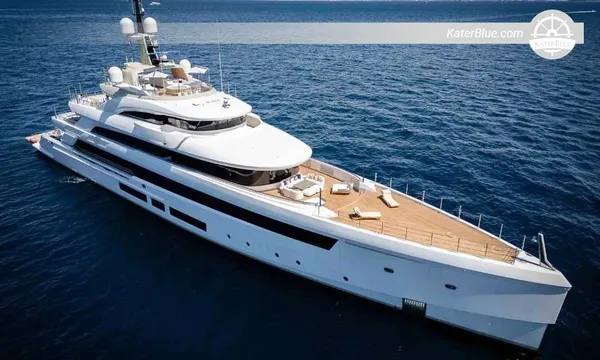
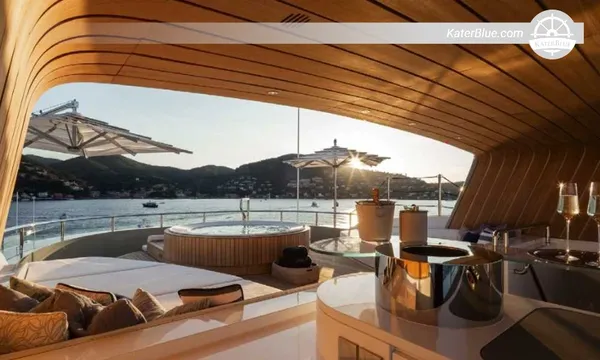
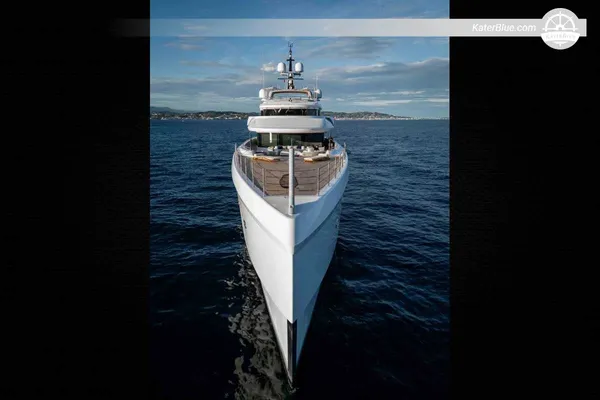
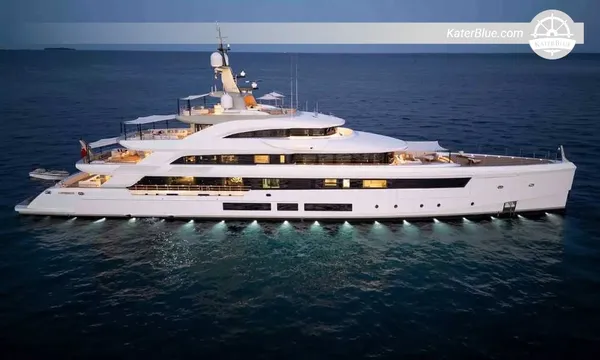
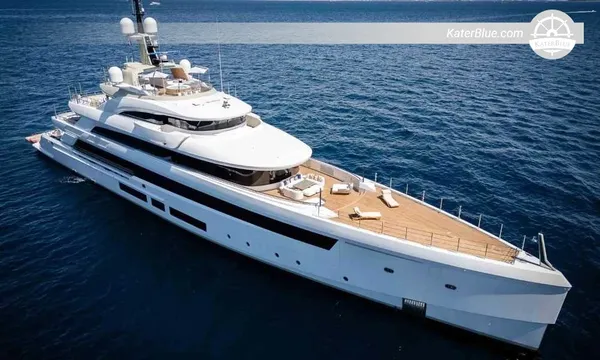
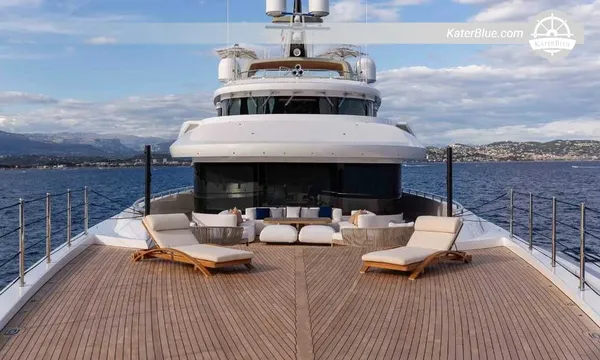
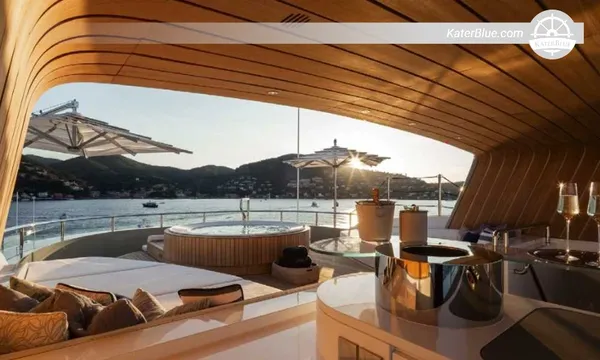
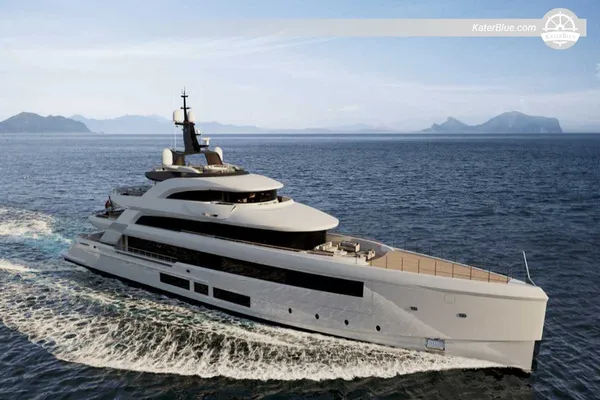
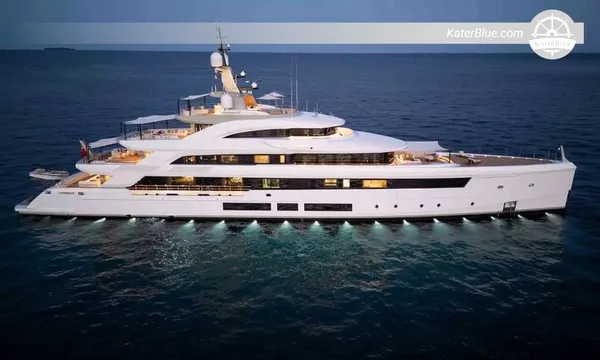
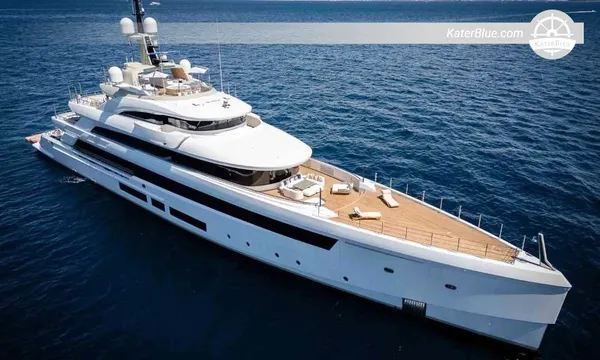
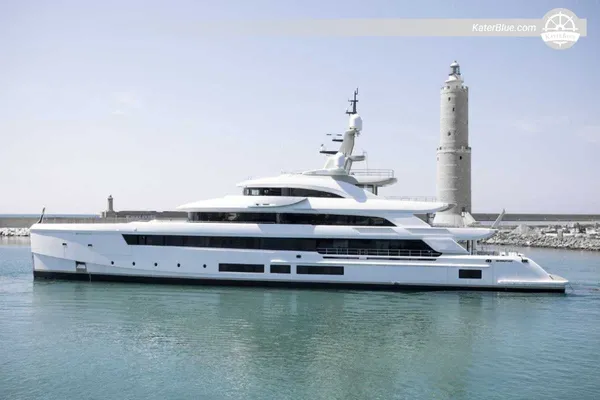
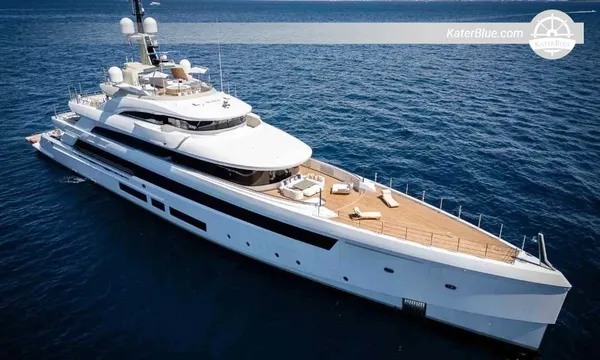
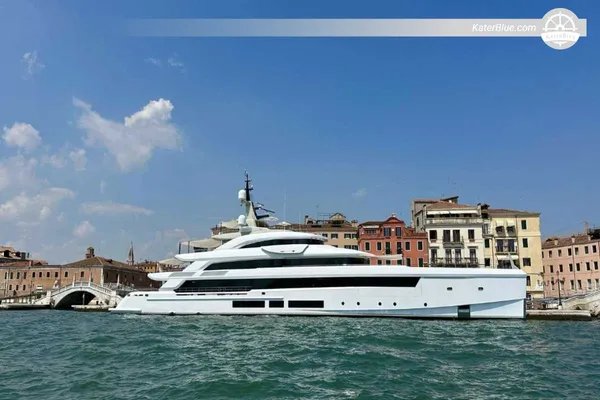
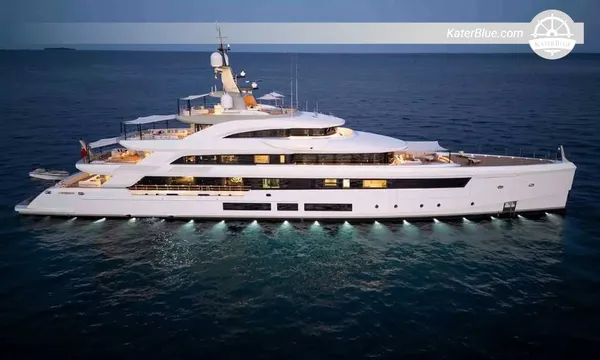
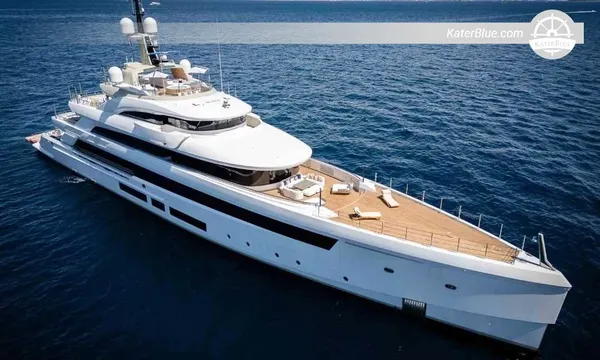
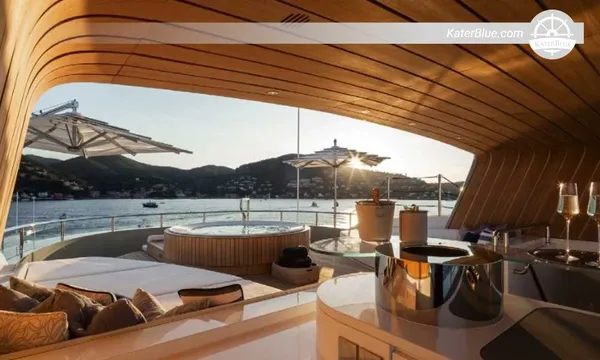
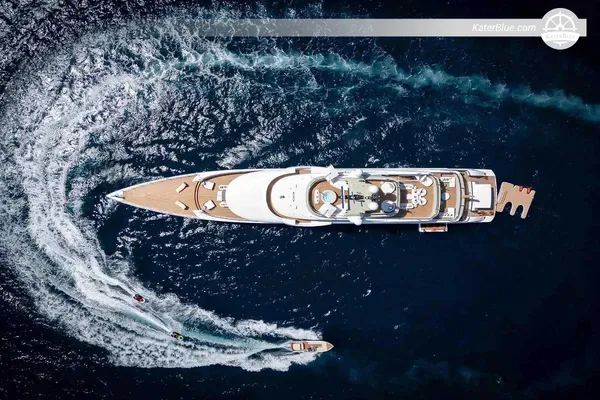
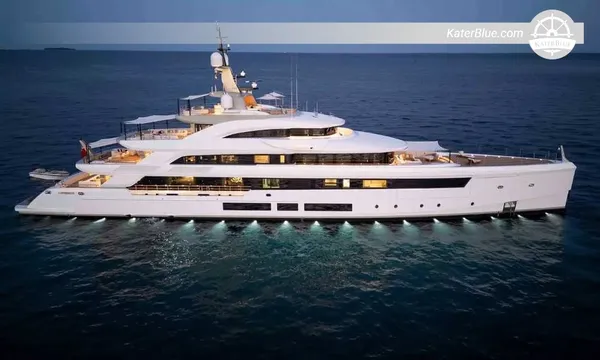
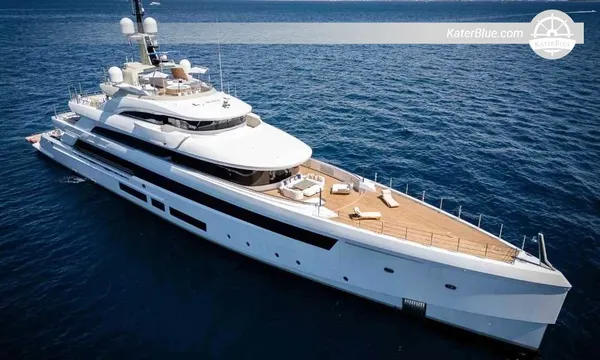
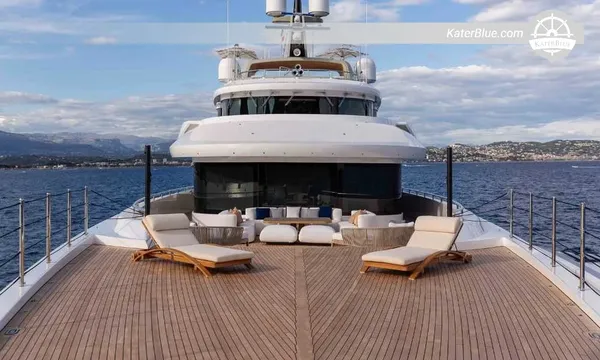
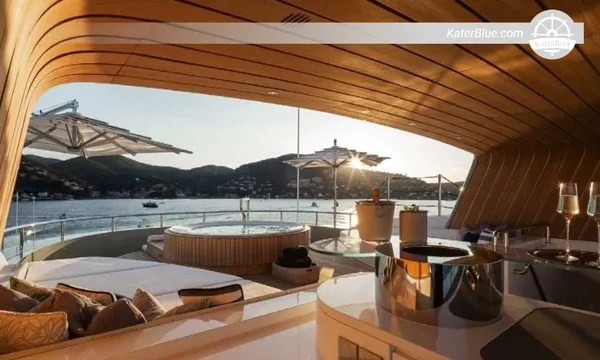
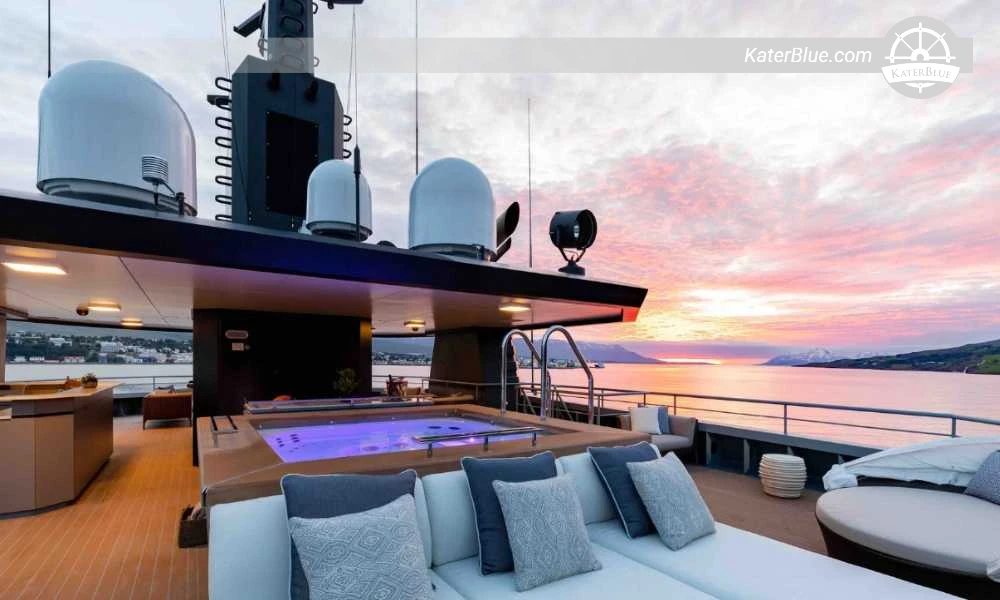
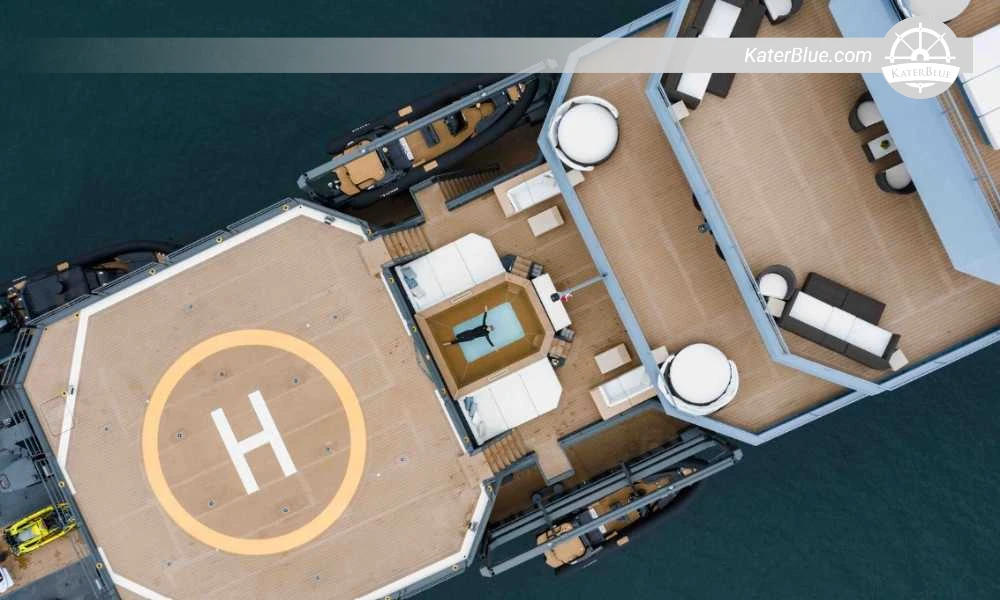
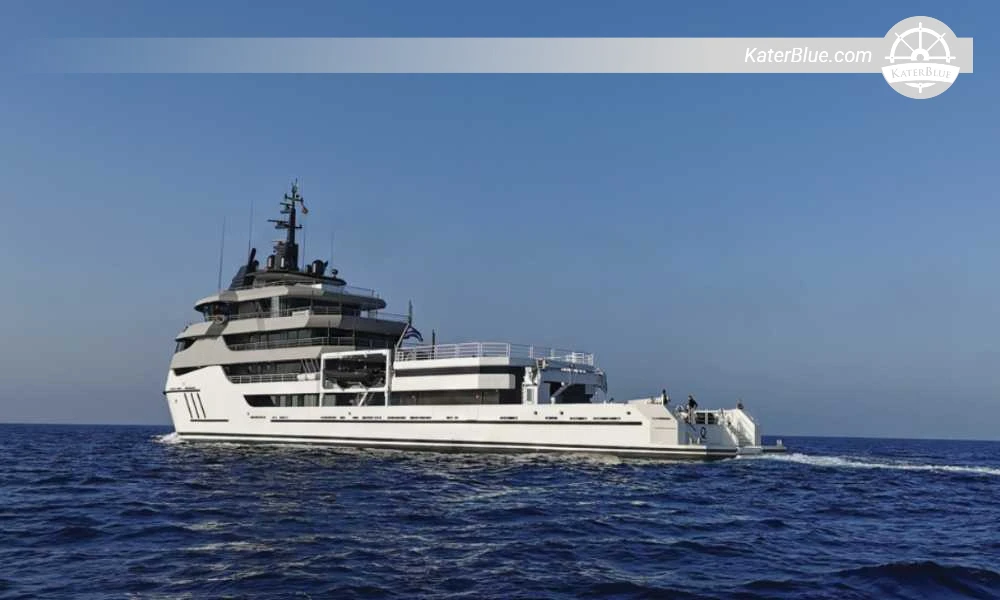
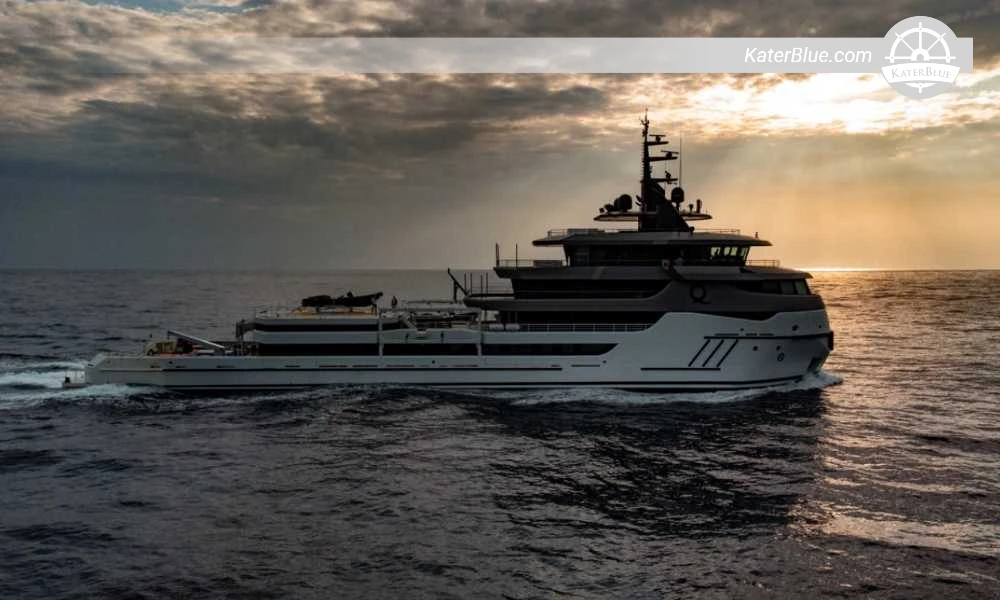
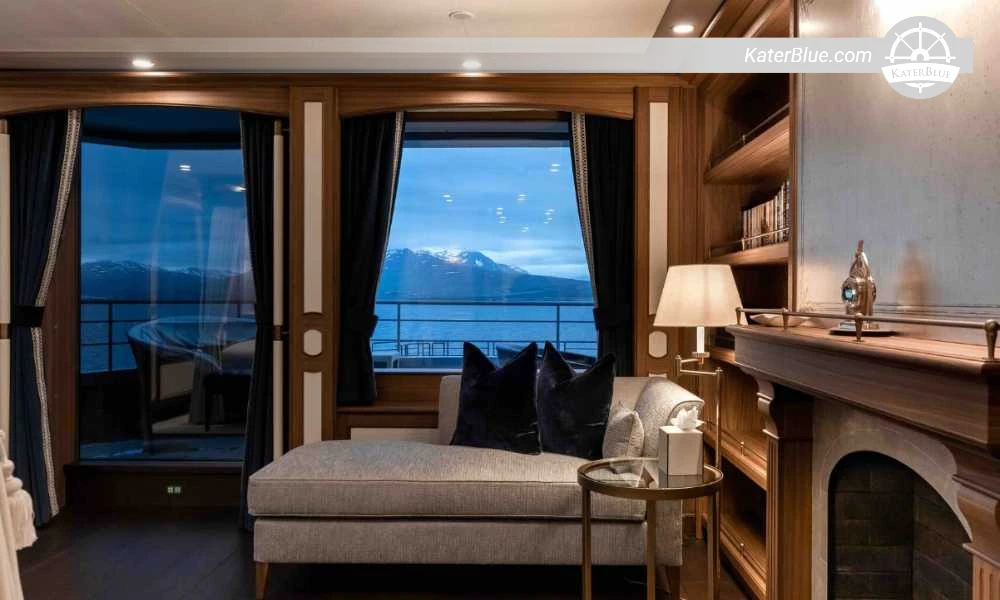
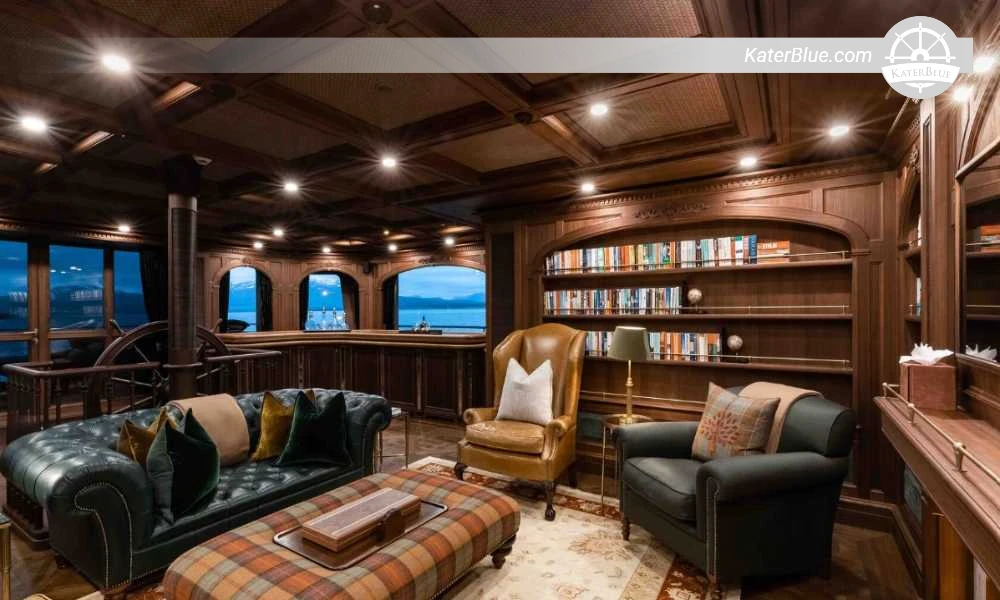
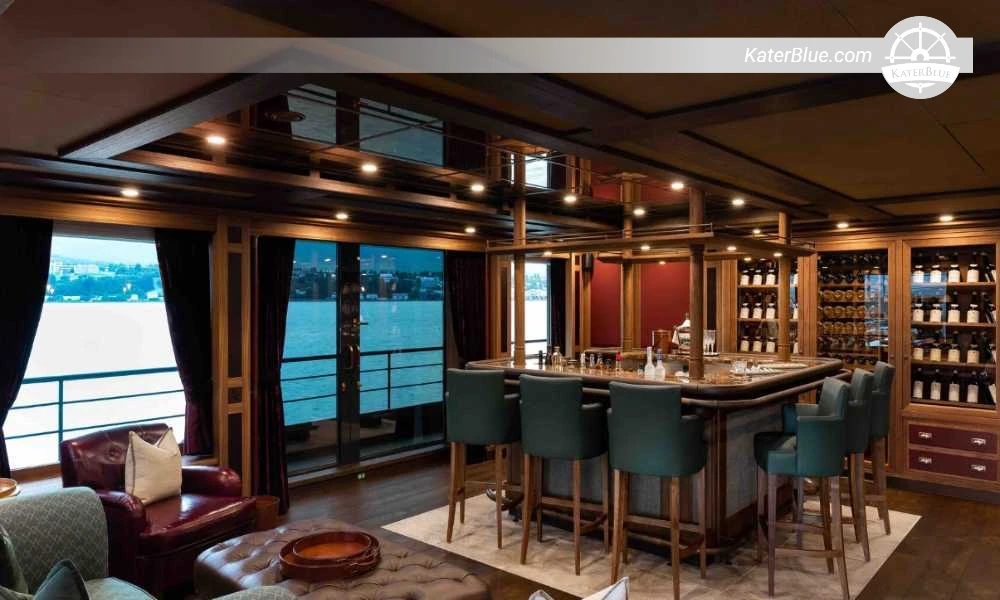
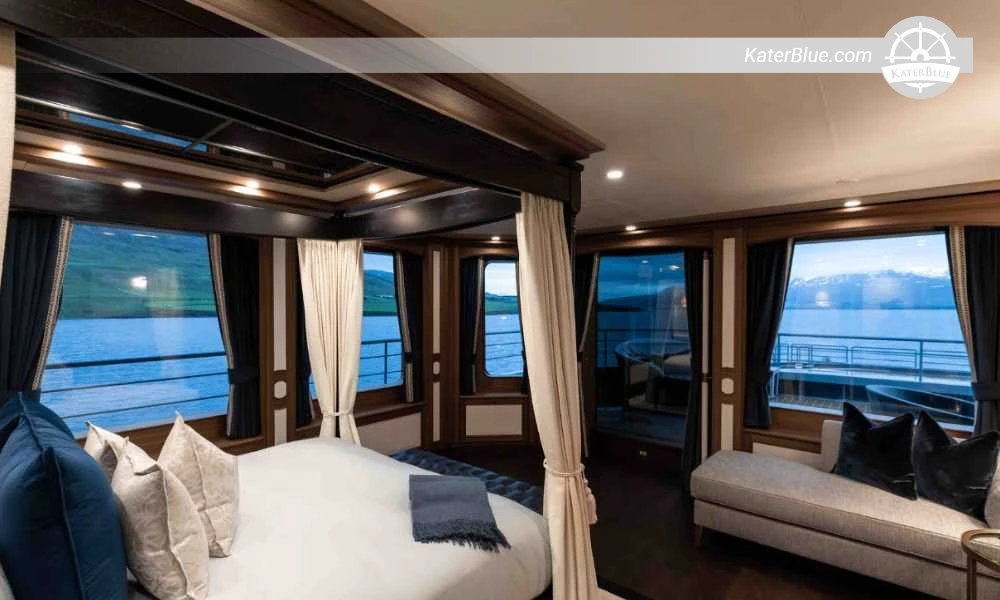
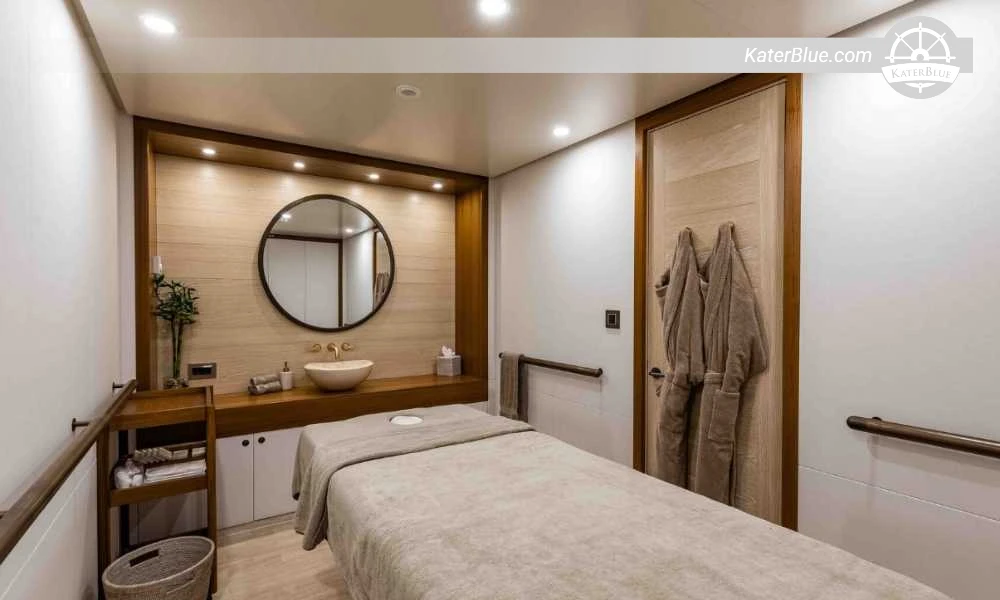
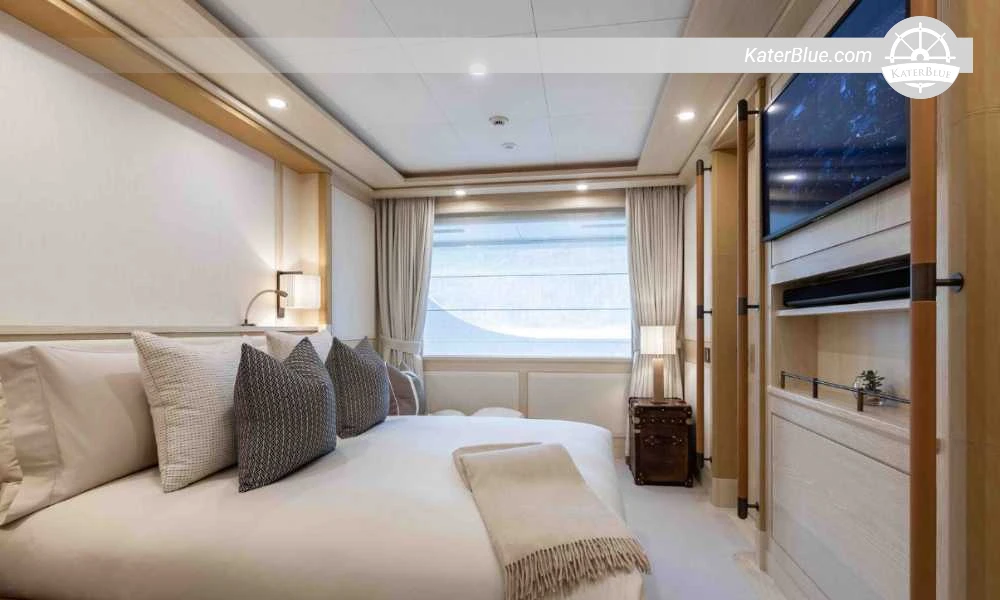
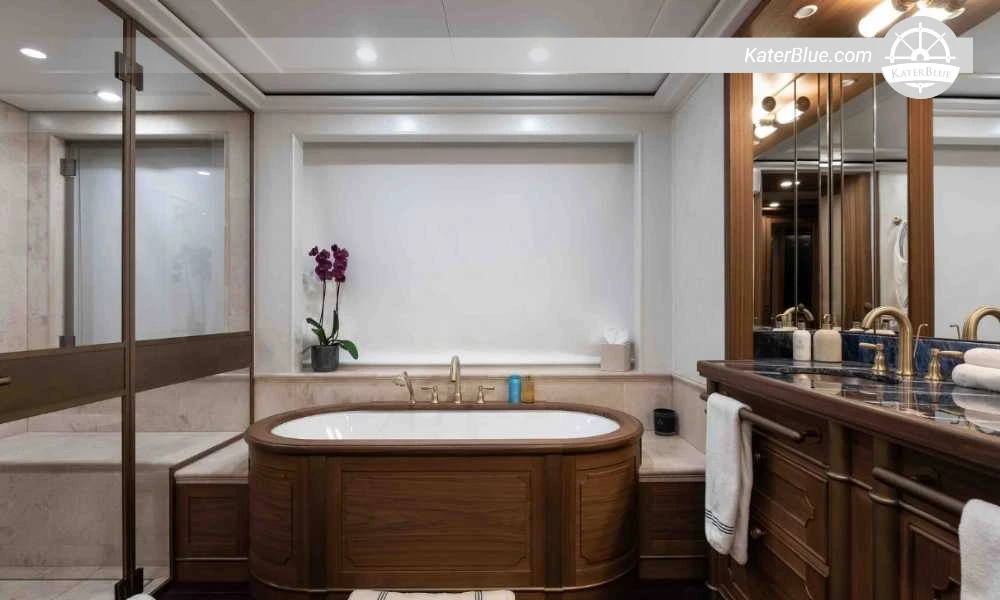
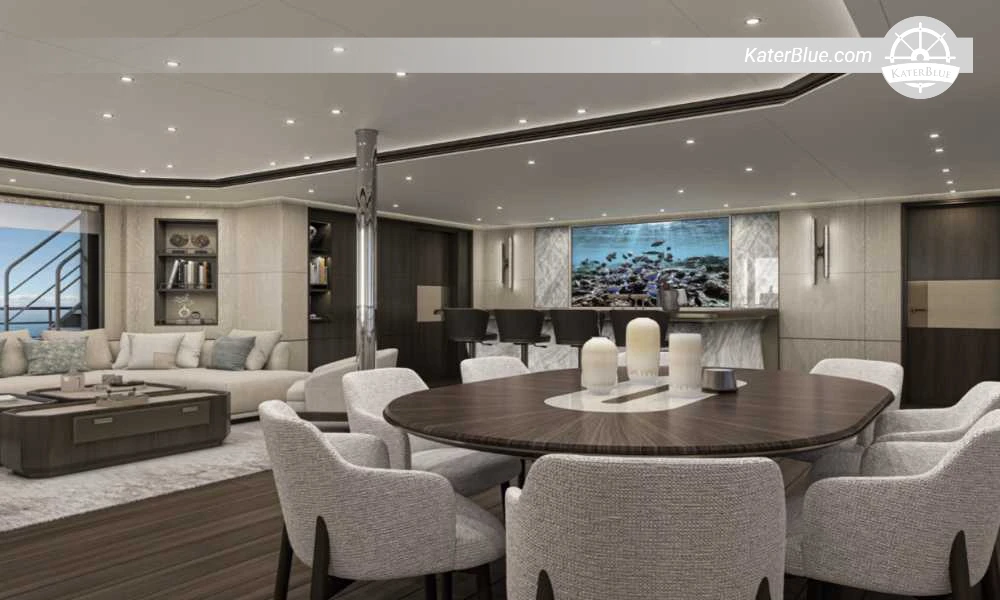
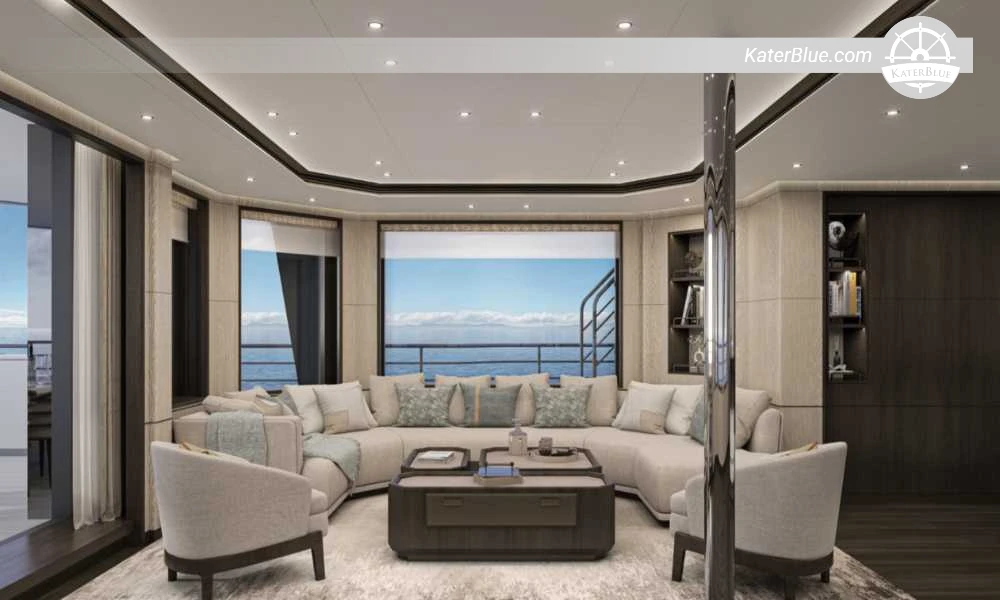
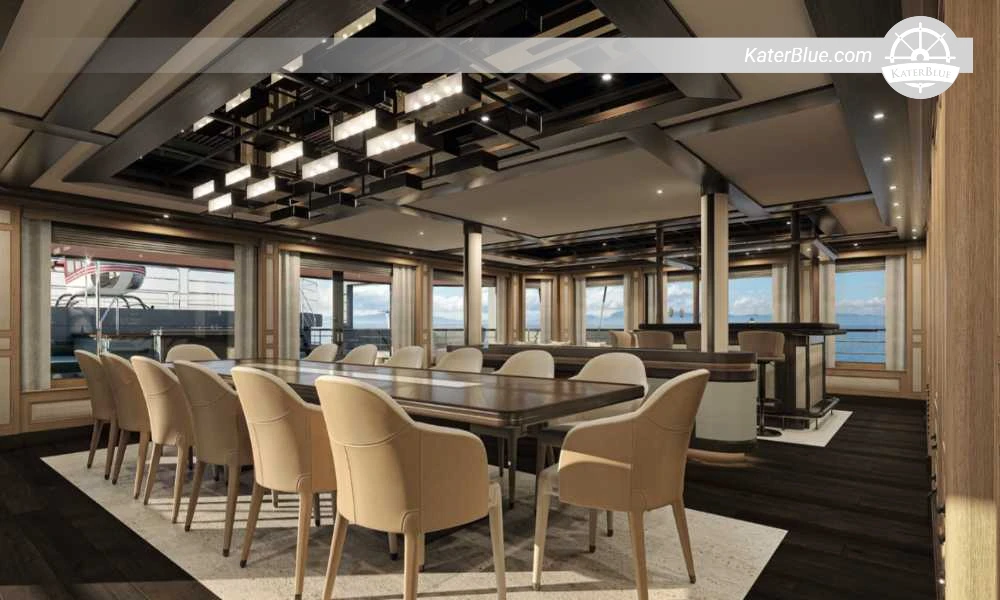
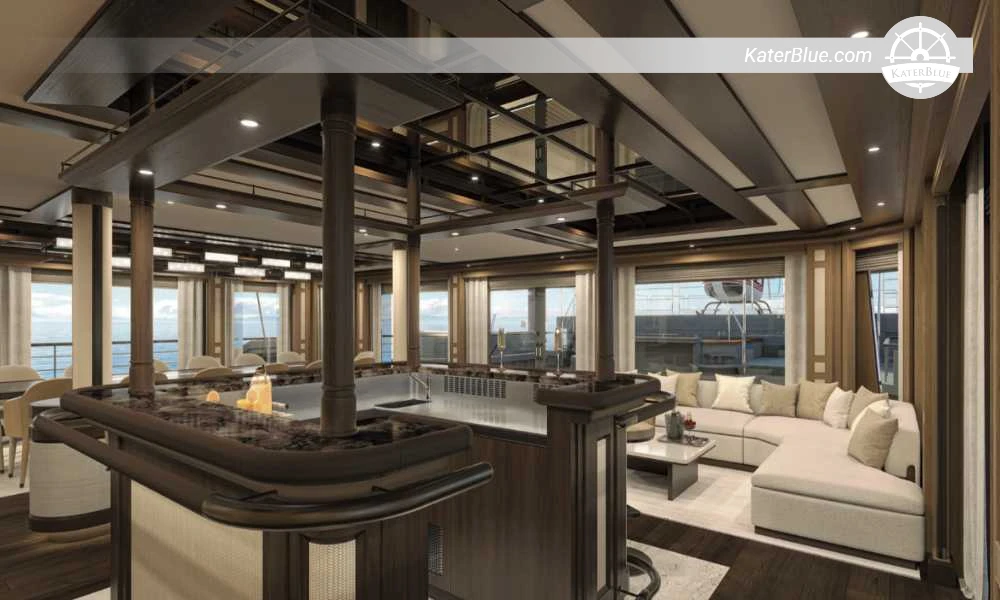
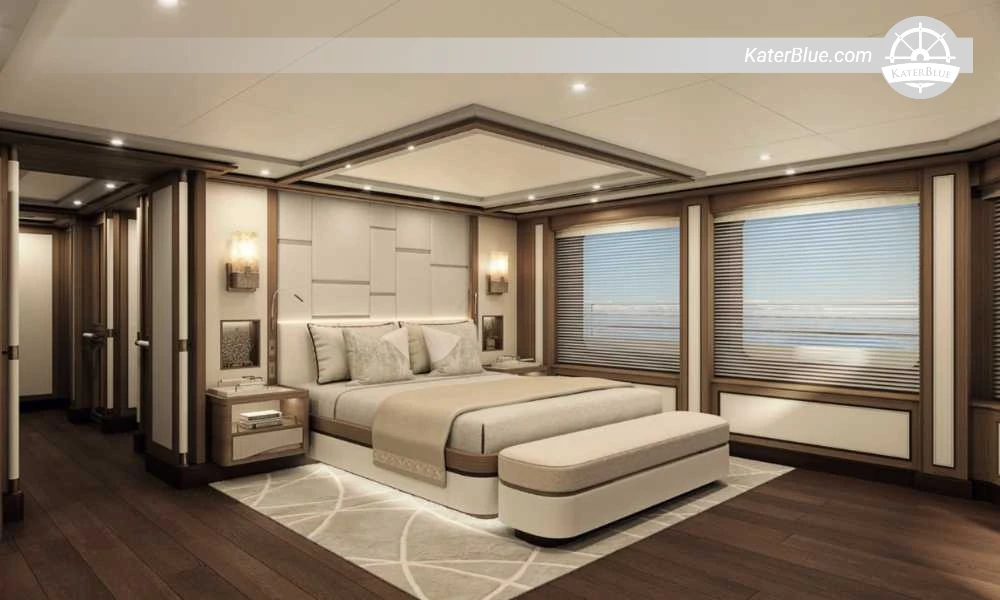
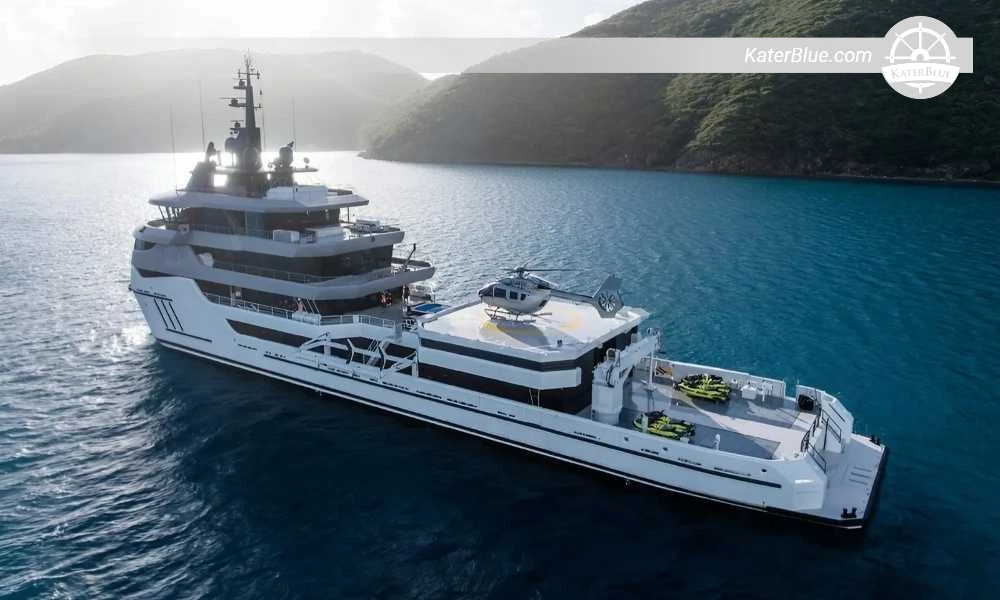
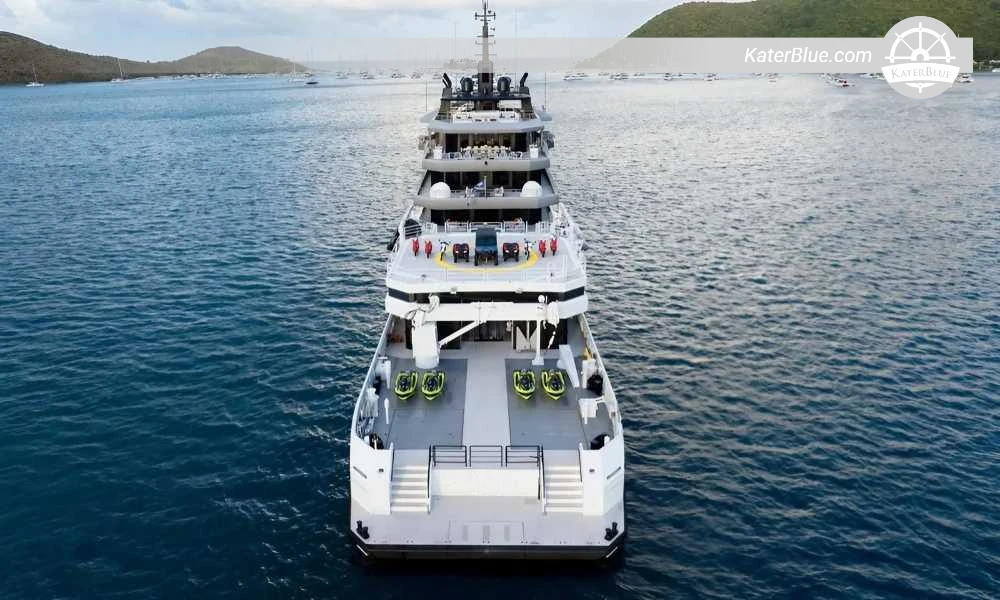
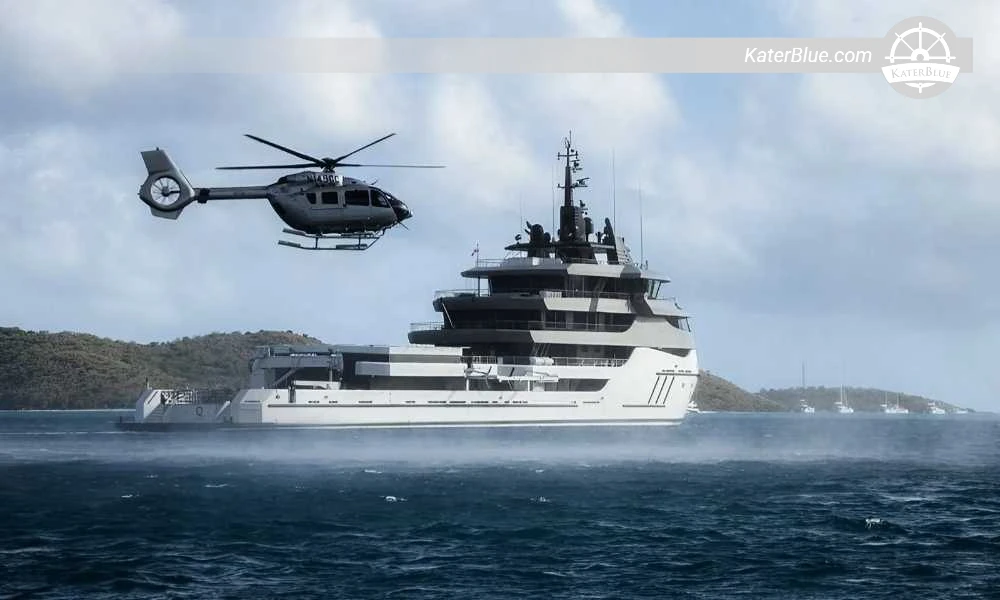
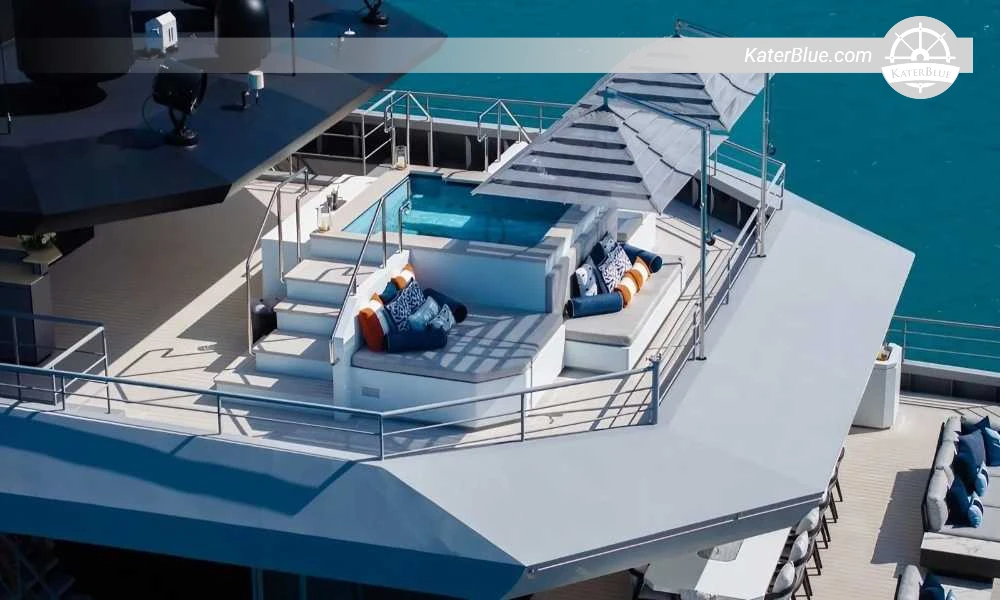
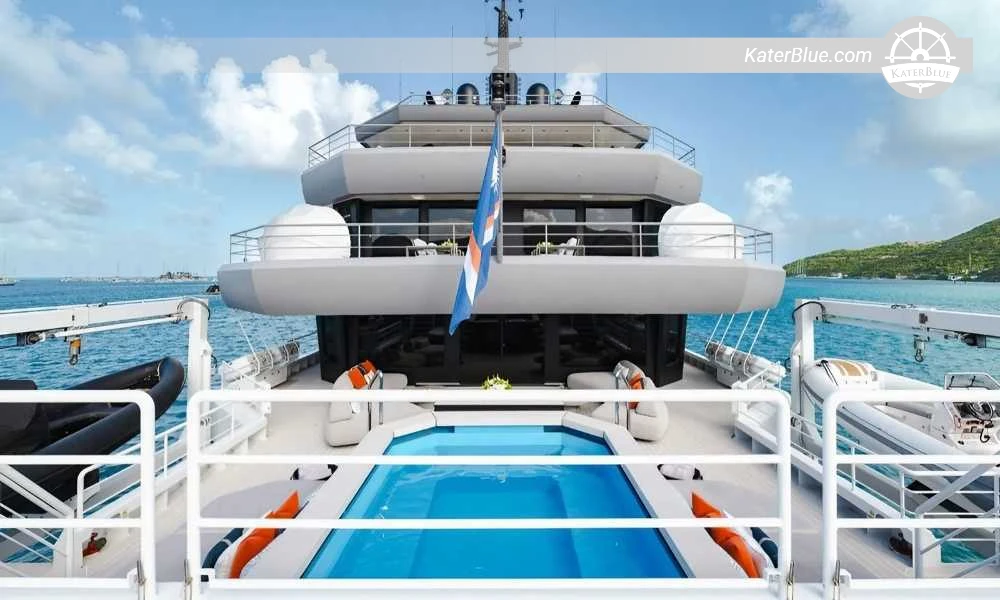
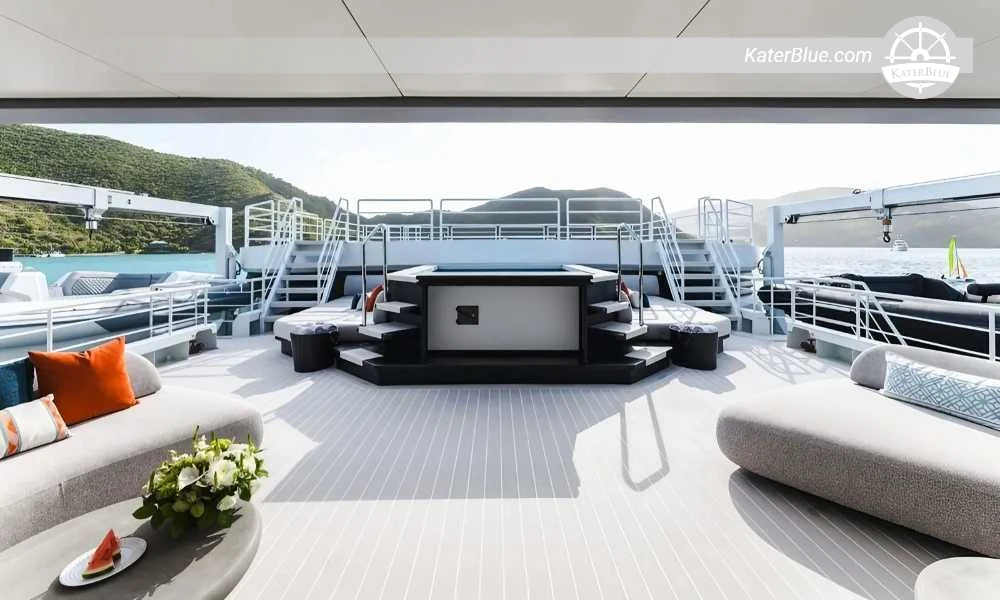
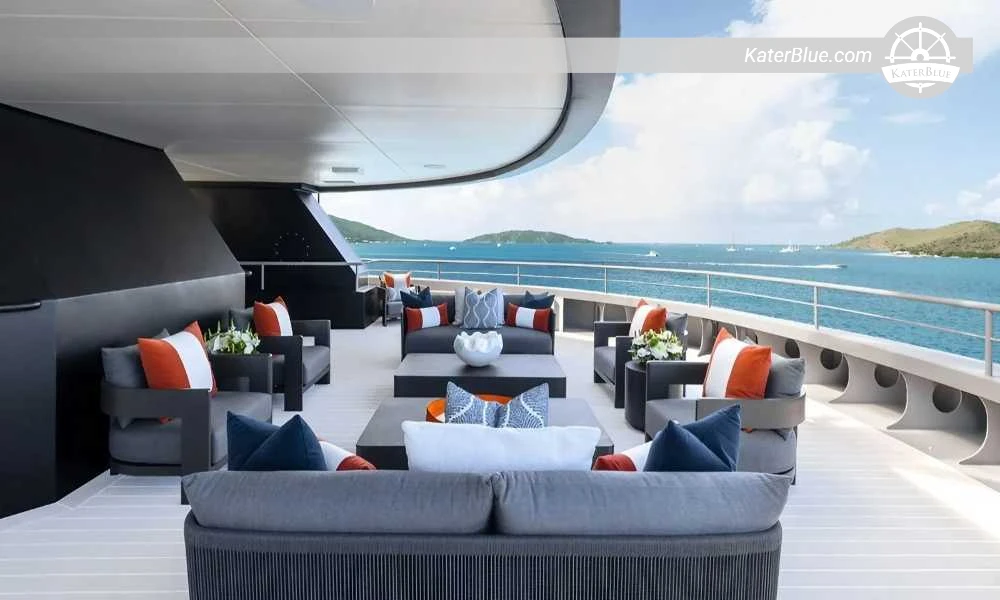
Icon 73m combines a contemporary interior with generous guest spaces and accommodation for up to 12 guests across eight cabins. Its 2025 refit brings refreshed styling and comfortable surroundings for a private voyage.
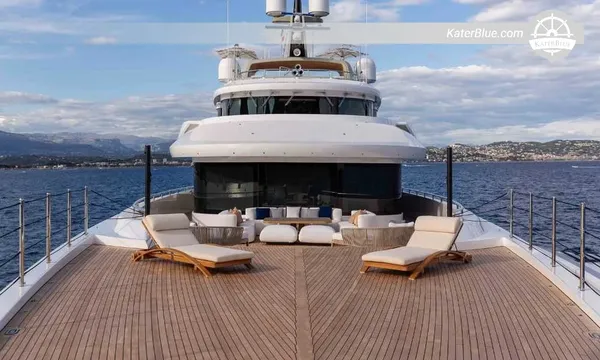
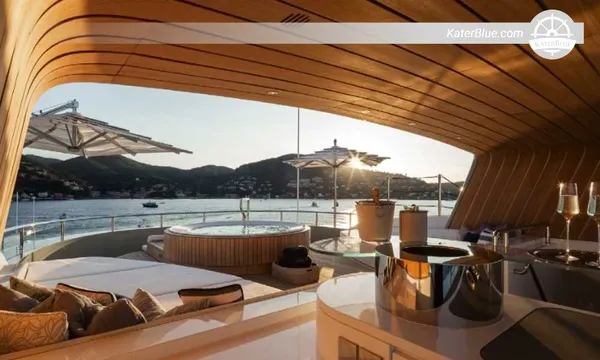
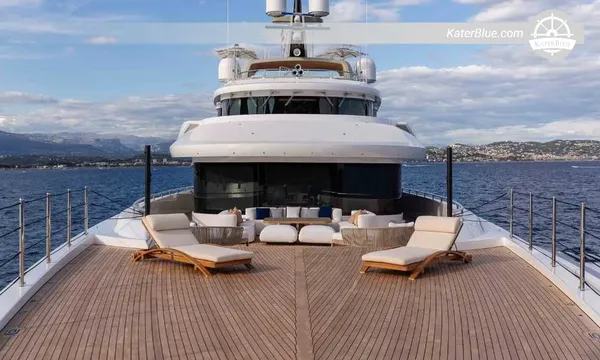
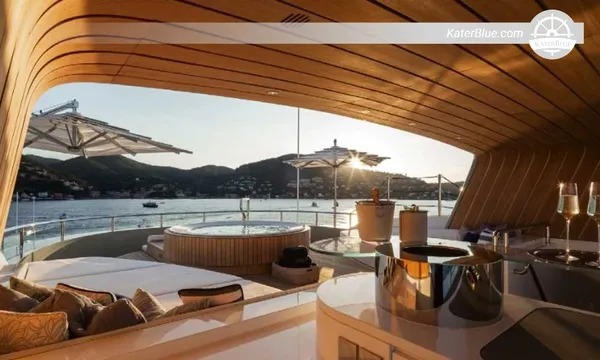
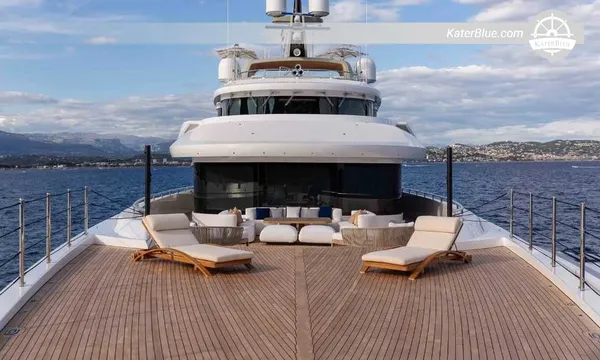
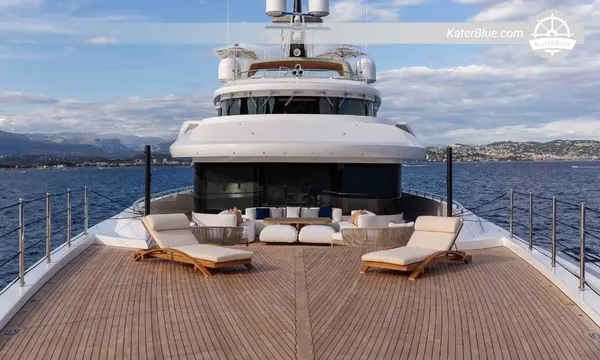
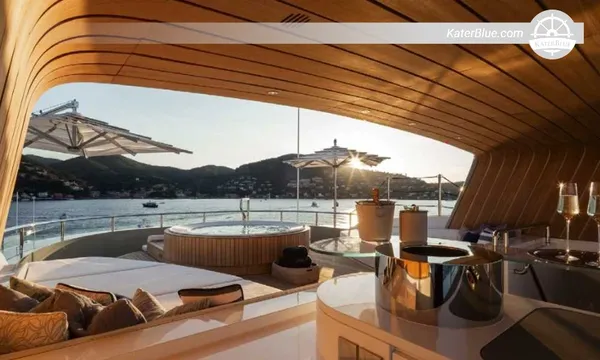
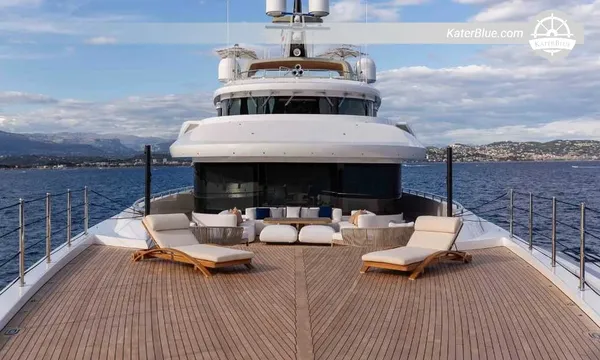
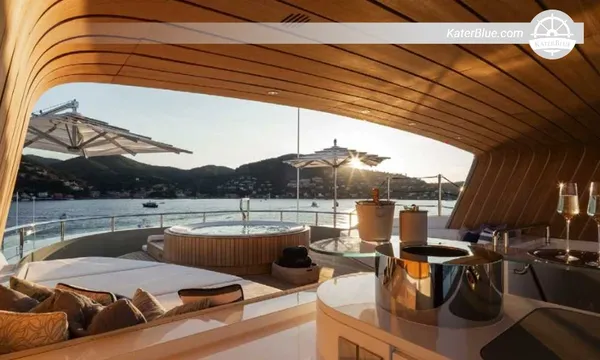
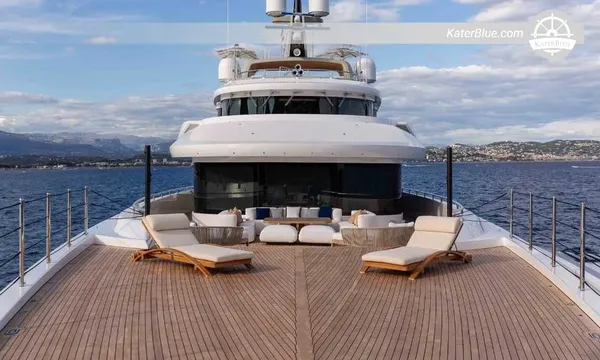
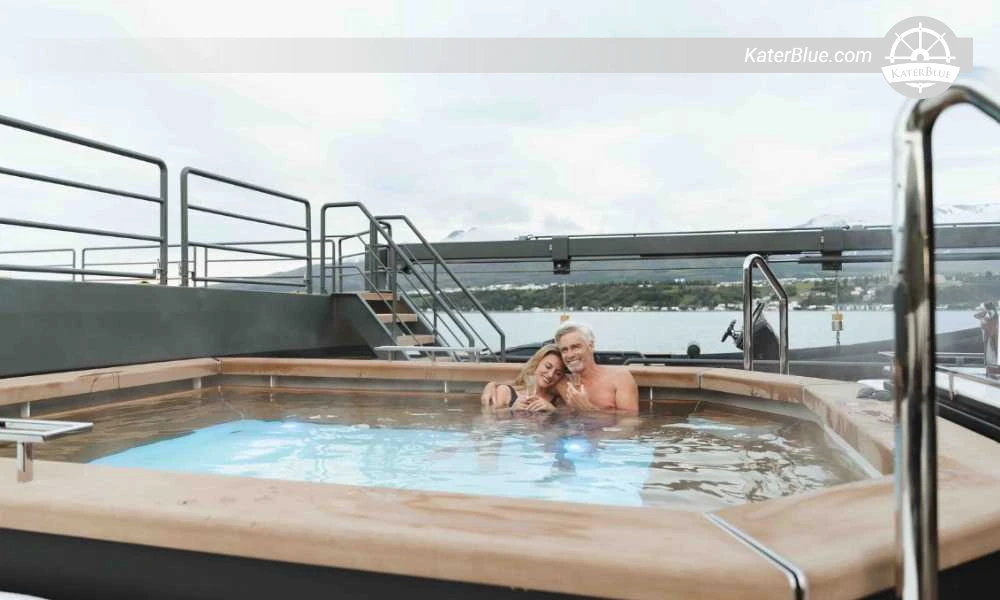
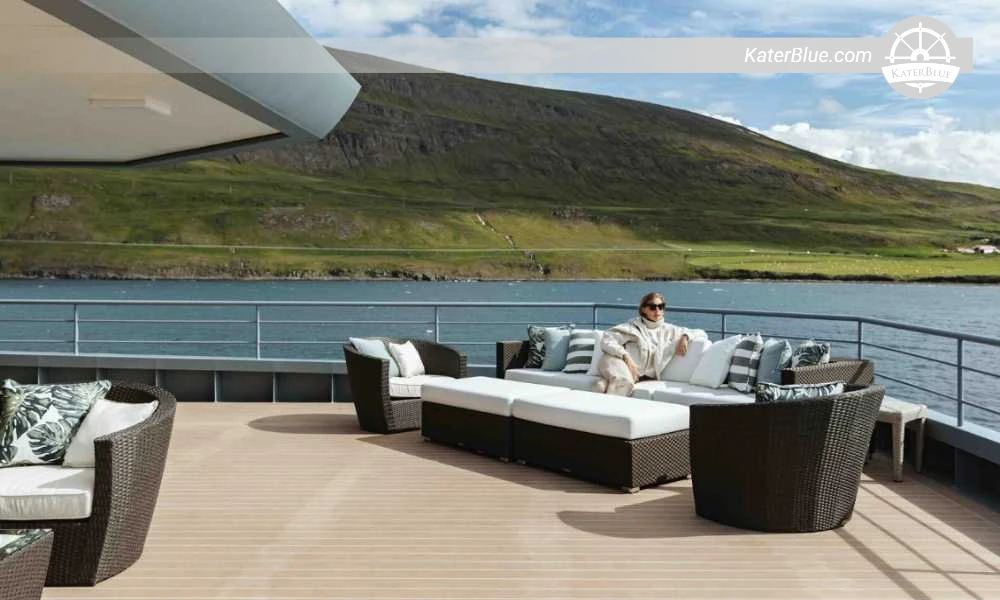
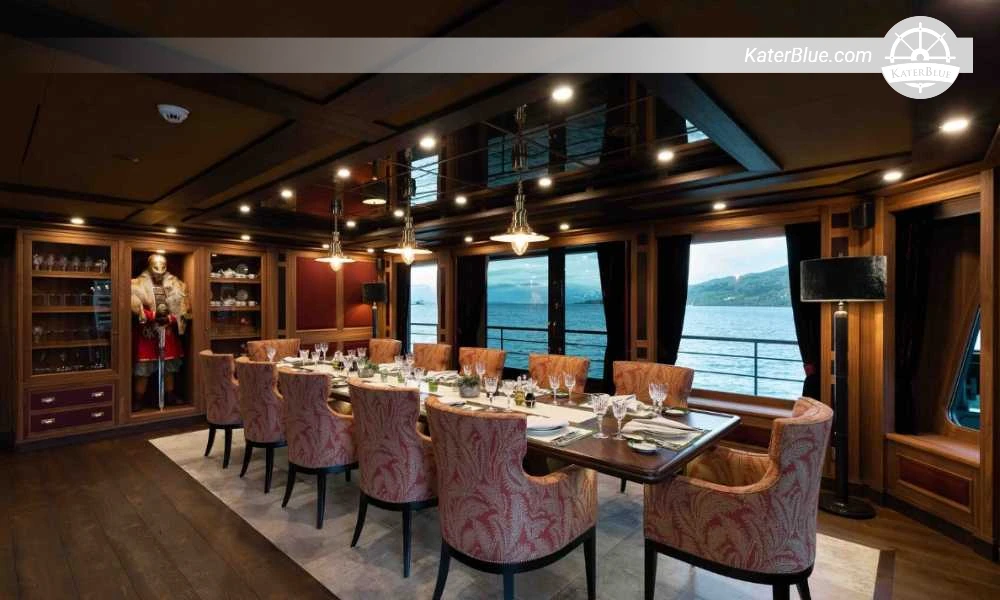
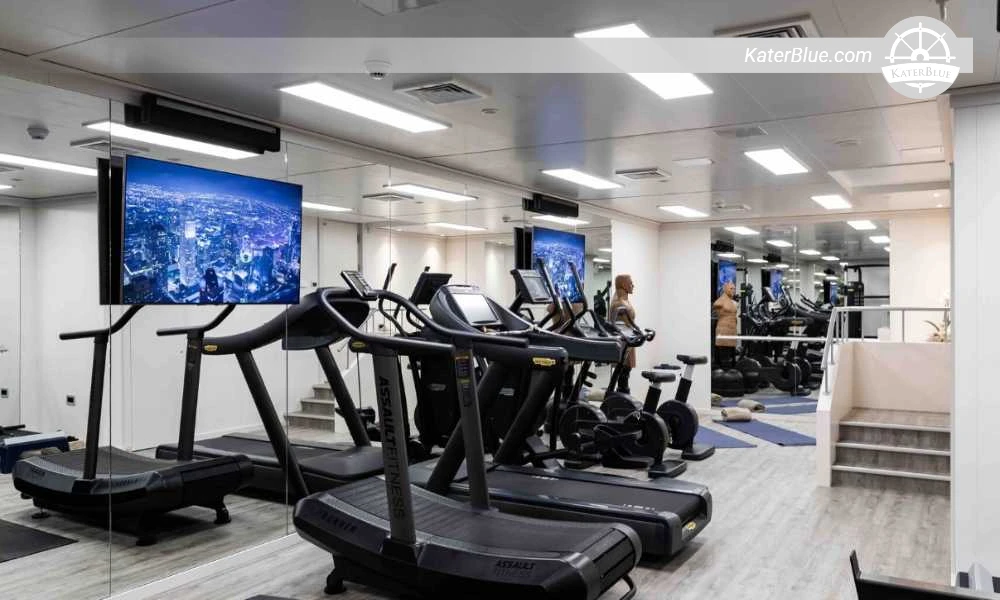
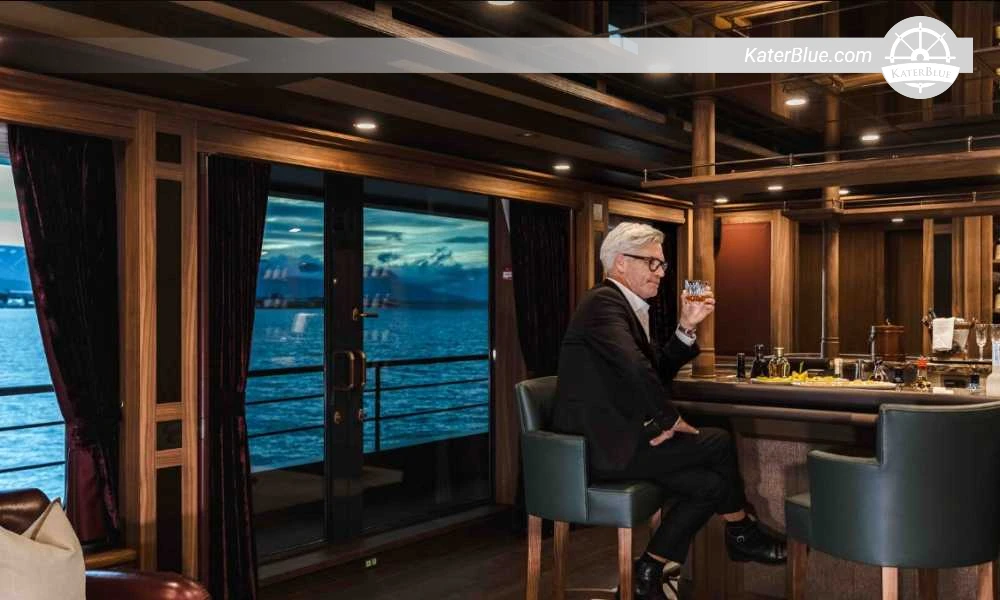
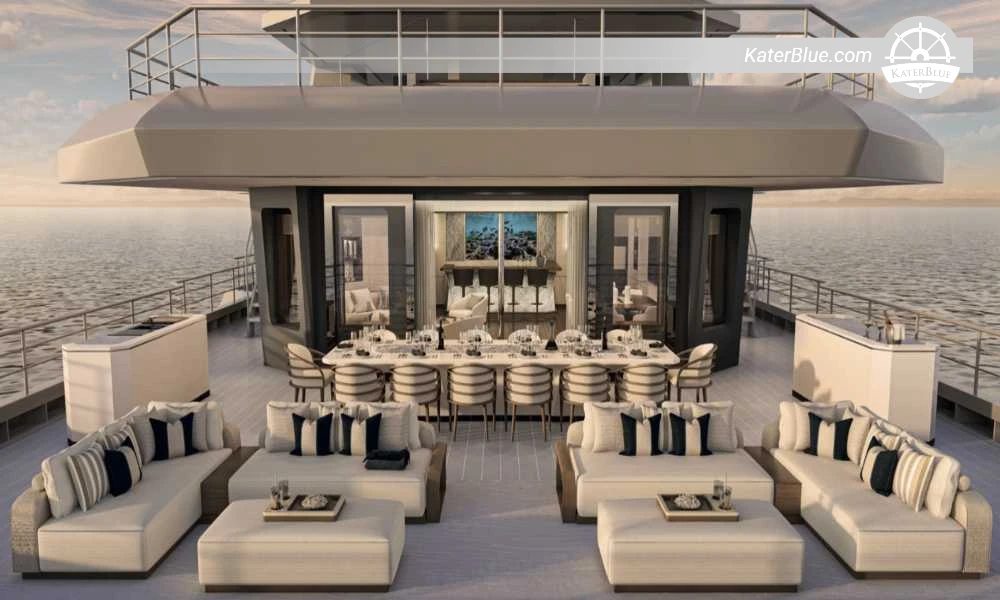
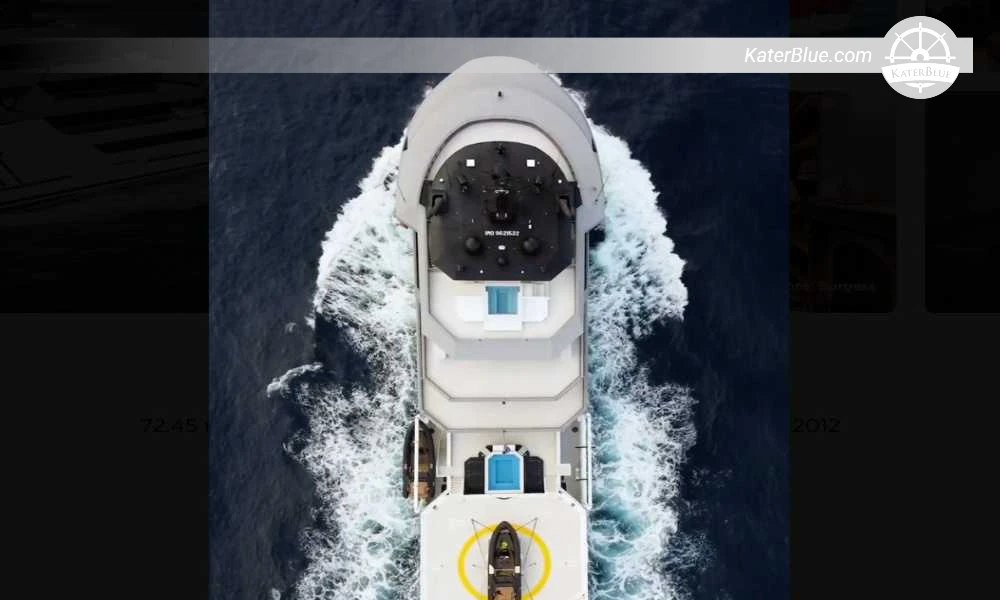
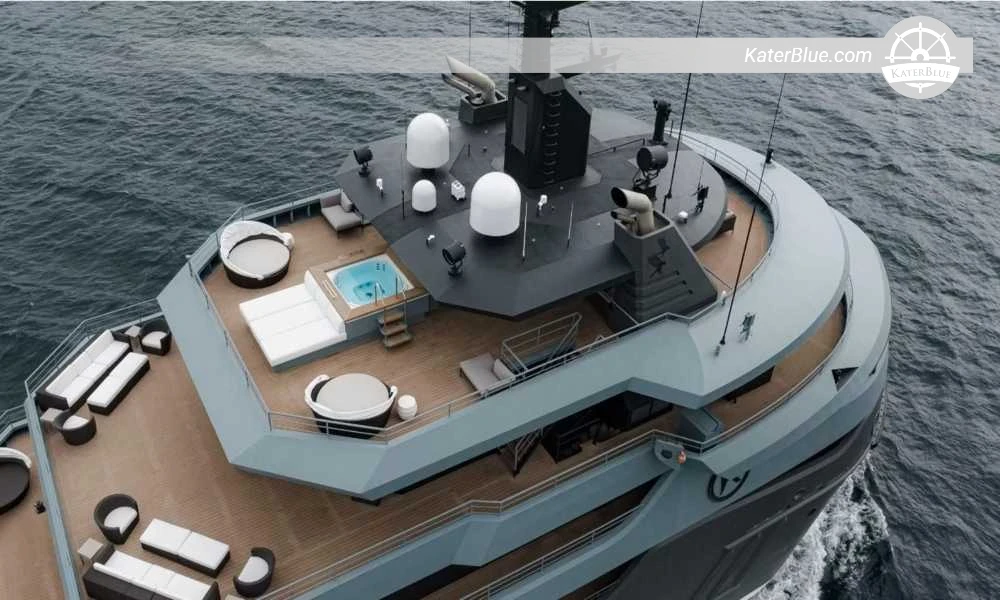
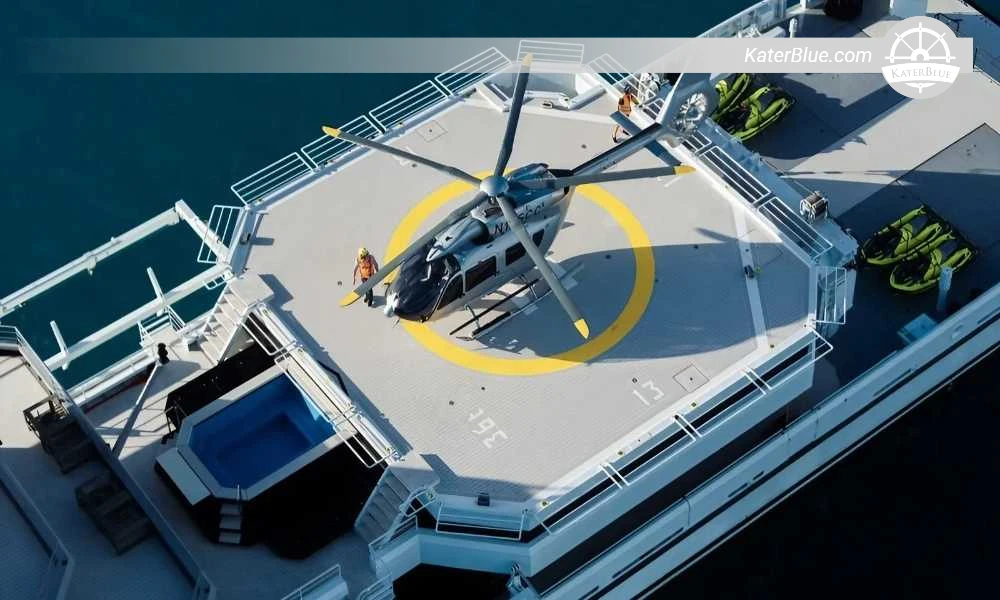
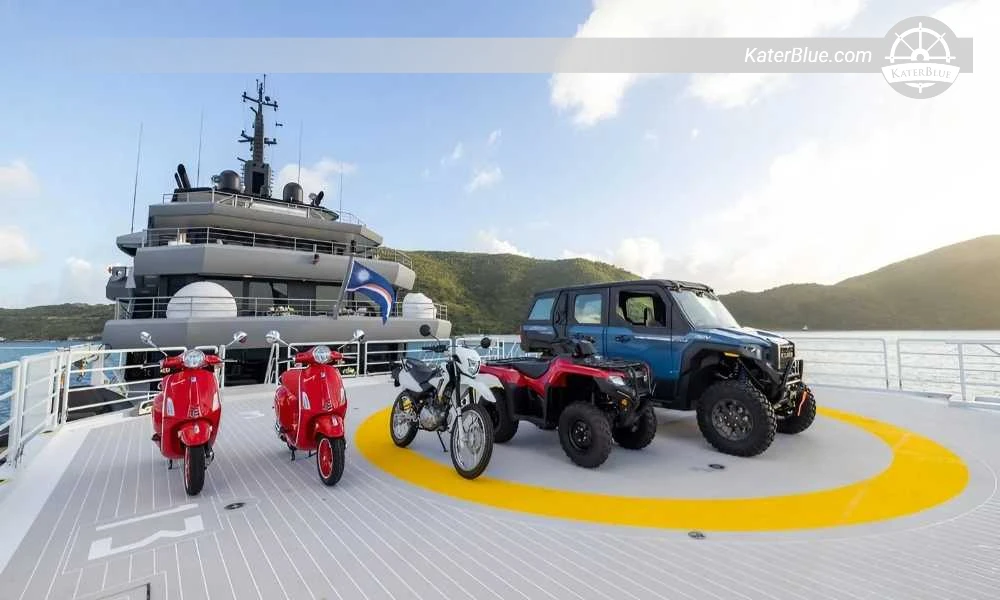
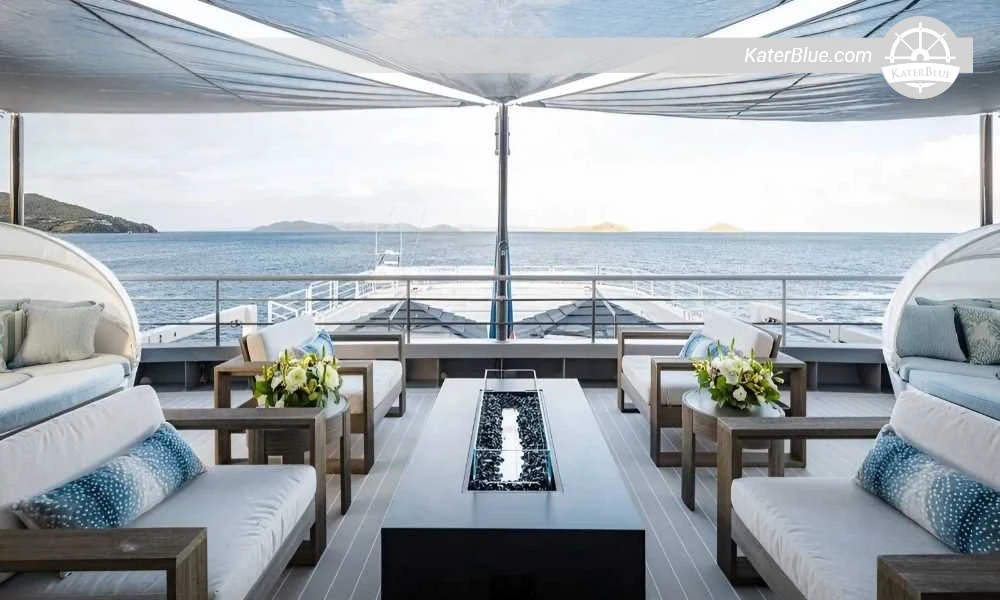
Outdoor areas, lounging spaces, dining arrangements and entertainment areas give guests different settings aboard. The recreational inventory includes SeaBobs, paddle boards, water toys, diving equipment, fishing gear and beach setups, subject to the booking rules and operating conditions.
Enquire about Baltic to North Atlantic aboard Icon 73m. Share your preferred dates and guest requirements to discuss availability and plan your private crewed voyage from Tallinn.