

George Town, Cayman Islands
£2,657
/ημέρα
Τι θα λέγατε να ελέγξετε για άλλες υπηρεσίες που μπορεί να είναι διαθέσιμες στην τοποθεσία που αναζητάτε;
Εμπειρία καταχώρισης | Λίστα πωλήσεων | Καταχωρίσεις ναυτιλιακών μαθημάτων | Λίστα πληρώματος
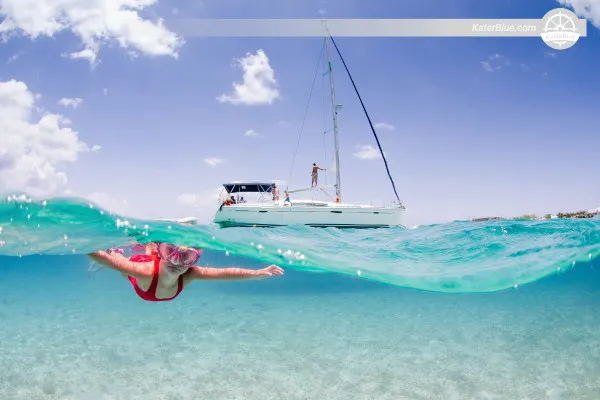
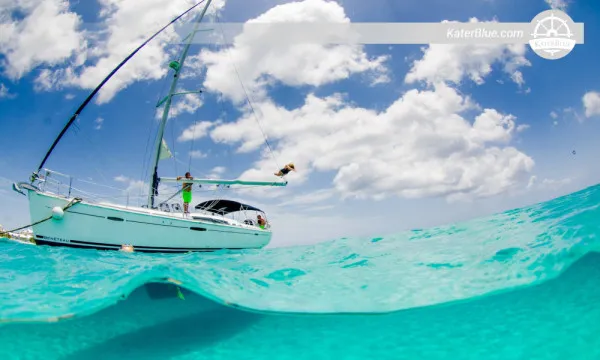
The Cayman Islands sit in the western Caribbean, about 150 miles south of Cuba, and combine calm, clear water with one of the region's best-known sandbars, Stingray City, where southern stingrays gather in waist-deep water inside Grand Cayman's North Sound. Most charters stay close to Grand Cayman, working the sheltered west and north coasts around Seven Mile Beach and George Town. The charter fleet here is smaller than in more established Caribbean hubs, so it's worth booking ahead rather than assuming a wide same-week selection.
Grand Cayman is the base for almost all charters, with George Town as the main port and Seven Mile Beach running up the west coast. North Sound, a shallow lagoon on the north side, holds Stingray City and is the most popular half-day sail. Rum Point and Kaibo, on the north shore, are common lunch-stop anchorages. Little Cayman (Bloody Bay Wall, a well-known dive site dropping from around 18 feet to thousands of feet) and Cayman Brac lie roughly 80-90 nautical miles northeast, an open-water passage suited to experienced offshore crews or a dedicated dive-charter crossing rather than a standard bareboat route.
December through May is the dry season and the best sailing window, with steadier wind as cold fronts move down from the north between late November and mid-March; January to mid-April is the sunniest, driest and calmest stretch. Hurricane season runs June through November, highest risk August through October. Day trips to Bloody Bay Wall depend on settled weather and run most reliably in summer and early fall.
No formal sailing licence is required. Most Cayman charters are skippered day trips rather than bareboat, so guests don't need a licence; the captain handles navigation. Where self-piloting is offered, operators assess experience directly, typically via a sailing resume, and an International Certificate of Competence helps. Vessels under 60 feet not carrying fare-paying passengers aren't required to hold a Cayman operating licence.
Day 1: Depart George Town, sail up the west coast past Seven Mile Beach, anchor off West Bay.
Day 2: Round into North Sound for Stingray City and reef snorkelling nearby.
Day 3: Cross to Rum Point and Kaibo for lunch and a swim.
Day 4: Return along the coast via Governor's Creek or Smith Cove to George Town, or cross to Cayman Brac and Little Cayman for a Bloody Bay Wall dive charter.
Do I need a passport?
Yes. Everyone arriving must show a passport or equivalent travel document valid beyond the return date, there's no passport-free entry even for nearby US visitors.
Is the charter fleet large here?
Not yet. Cayman Islands listings are fewer than in established hubs like the BVI, so book ahead and confirm availability before finalising dates.
Can I sail to Little Cayman or Cayman Brac?
It's possible but it's an open 80-90 nautical mile passage best suited to experienced crews or a dedicated dive charter; most day sailing stays within Grand Cayman's sheltered waters.
What's the best time to see Stingray City?
Year-round, though calmer winter mornings, December to May, give the clearest water.
Εγγραφείτε για τα τελευταία νέα και ενημερώσεις
KaterBlue